It is one of the most quoted stories about ancient Rome. A victorious general rides through the city in his triumph, cheered by the crowds, while a slave standing behind him in the chariot whispers: "Remember, you are only a man." It is a wonderful image of power kept in check. But how much of it is true?
The Roman triumph
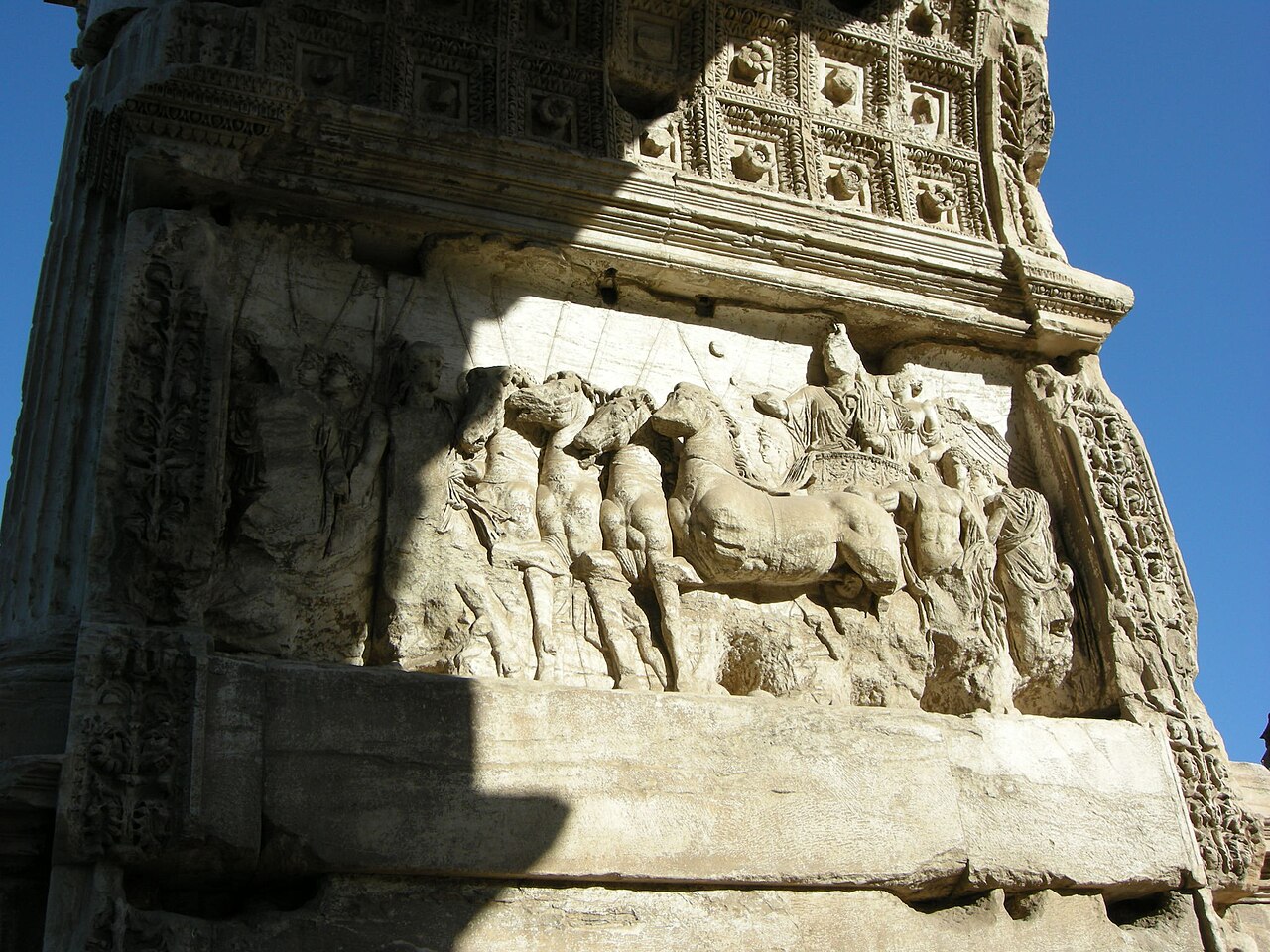
A triumph was the greatest honour Rome could give a victorious commander. The Senate had to approve it. On the day, the general rode through the city in a four-horse chariot, dressed in purple and gold, at the head of a procession of soldiers, captives and treasure, ending at the Temple of Jupiter on the Capitoline Hill. Pliny the Elder wrote that the general's face was even painted red, like the statue of Jupiter himself. For a few hours, a mortal man was treated almost like a god.
Did a slave really whisper "remember you are mortal"?
Possibly, but the evidence is thin, late and contradictory.
The famous words come from the Christian writer Tertullian, writing around AD 200. He says that even in the triumph, the general is reminded from behind: "Look behind you. Remember you are a man." But Tertullian lived in Carthage, in North Africa, and as far as we know never saw a triumph. He also does not say who spoke the words.
Other writers give different versions. A summary of the historian Cassius Dio, preserved by the Byzantine writer Zonaras, describes a public slave riding in the chariot, holding a golden crown over the general's head and telling him to "look behind". Pliny the Elder mentions a slave holding the crown, but not the famous words. Many other accounts of triumphs do not mention a slave at all. In her book The Roman Triumph (2007), the classicist Mary Beard argues that these scraps are too patchy to tell us what really happened, or whether it happened in every triumph.
And the Latin phrase most people quote today, memento mori, "remember you must die", does not appear in any of the ancient accounts of the ceremony at all.
Other ways Romans kept a general humble
If the whisper is doubtful, the Romans did have other ways of cutting a triumphant general down to size, and some of these are better recorded:
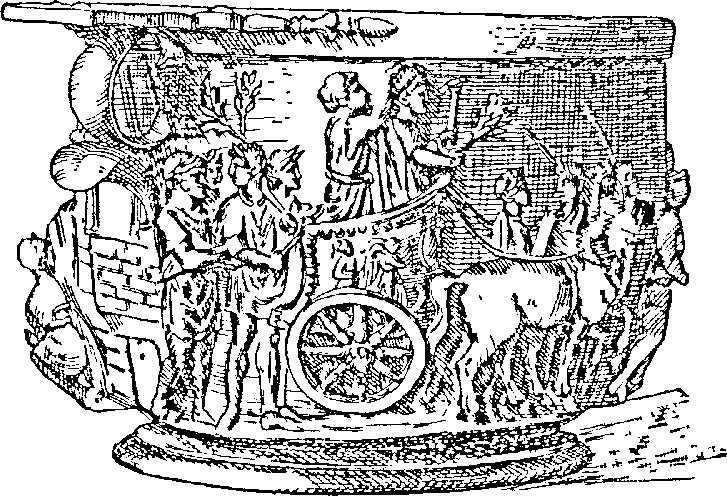
- Rude songs. Soldiers marching in the procession traditionally sang mocking songs about their commander. The historian Suetonius records the verses Julius Caesar's troops sang at his triumph, teasing him about his bald head and his affairs.
- A lucky charm. Pliny says a fascinum, a phallic amulet thought to ward off the evil eye, was hung under the chariot, to protect the general from envy at his moment of glory.
Why the story lasts
Whether or not a slave ever whispered in a general's ear, the idea has lasted because it captures something people want to believe about power: that even the mightiest should be reminded they are human. It has been retold in films, speeches and books for centuries. History suggests the reality was messier, but the lesson is still a good one.











Leave a reply