When the Islamic State group blew up the Nabi Yunus shrine in Mosul in 2014, it was mourned as one of the worst attacks on Iraq's heritage. Three years later, Iraqi archaeologists made an unexpected discovery: beneath the ruins, the militants had dug tunnels into an ancient Assyrian royal palace that had never been properly excavated.
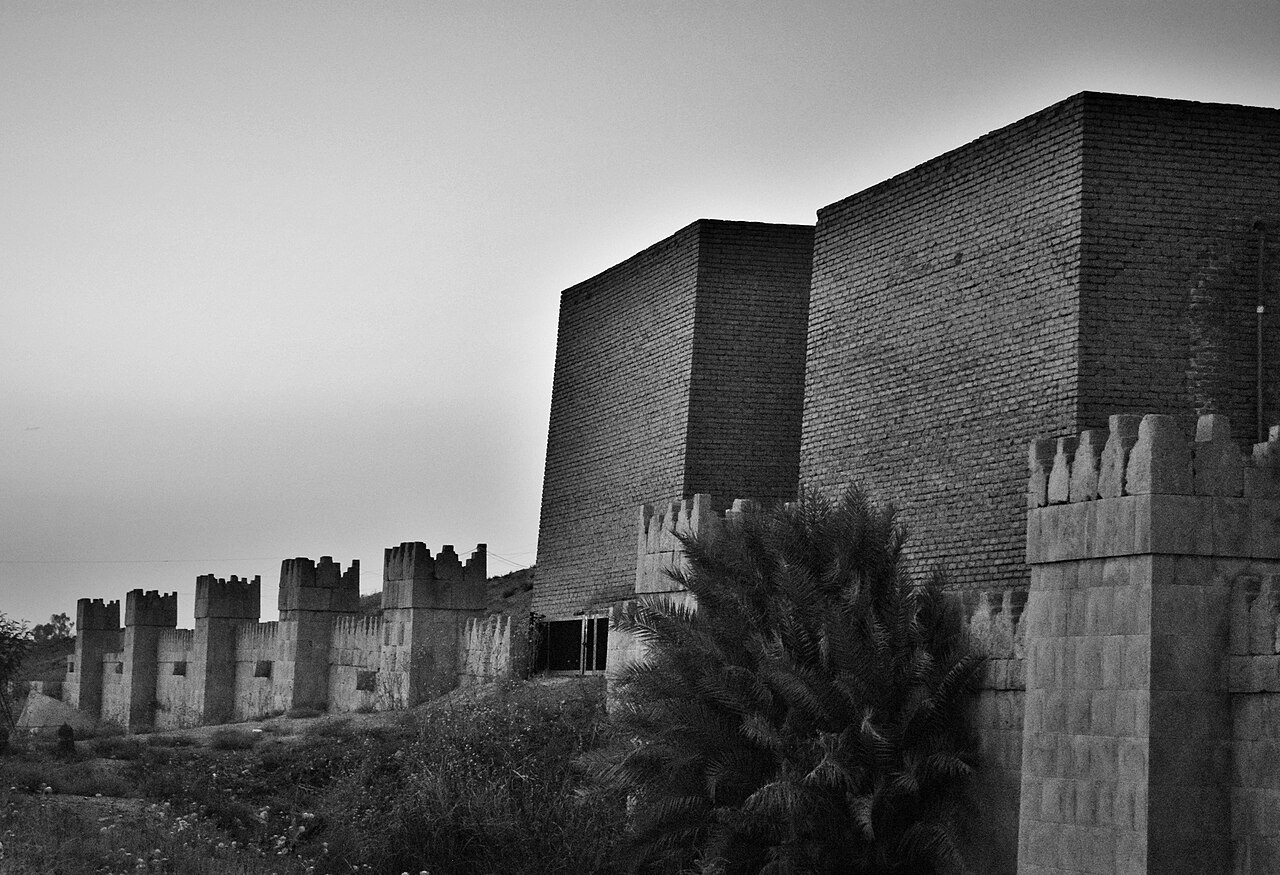
A shrine on top of a palace
The Al-Nabi Yunus Mosque stood on a mound called Tell Nabi Yunus, on the east bank of the Tigris. It was built on what was believed to be the tomb of the prophet Yunus, known as Jonah in the Bible. The mound is part of Nineveh, once capital of the Assyrian empire. Scholars had long known that an Assyrian palace lay underneath, but because of the shrine above it, it had barely been explored.
On 24 July 2014, weeks after taking Mosul, the Islamic State group destroyed the mosque with explosives.
What was found in the tunnels?
About a kilometre of looters' tunnels, leading into a palace from the 7th century BC.
After Iraqi forces drove the group out of eastern Mosul in early 2017, officials found the network beneath the ruins. It appears to have been dug to hunt for antiquities to sell. Iraqi archaeologist Layla Salih and her colleagues found cuneiform inscriptions of the Assyrian king Esarhaddon, who ruled in the early 7th century BC, along with carved reliefs and the remains of winged bulls. The tunnels were dug without proper supports, so the archaeologists worked at real risk of collapse. Salih believed hundreds of objects may already have been taken.
The inscriptions identified the building as a palace built by Sennacherib, then expanded by his son Esarhaddon.
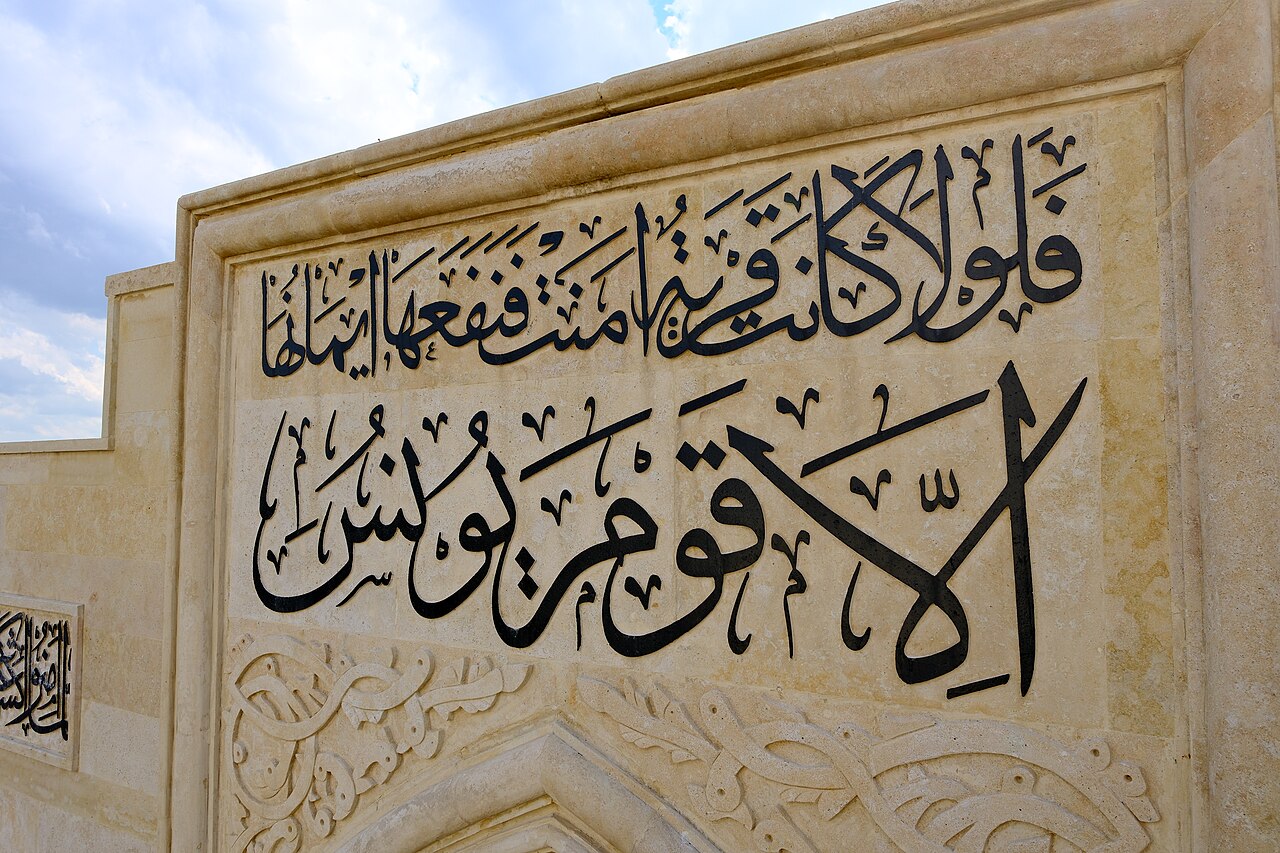
The excavations since
Since 2018, teams from Heidelberg University in Germany and Iraq's State Board of Antiquities and Heritage have been excavating the site properly. They have uncovered parts of Esarhaddon's palace and cuneiform texts from the reigns of three kings: Sennacherib, Esarhaddon and Ashurbanipal.
In September 2025, the team reported a lamassu, a winged bull with a human head, about six metres tall, which they believe stood at the entrance to the throne room. If its size is confirmed, it would be the largest ever found. Later reports from the same season described further colossal figures and stone reliefs.
Why it matters
Much of Iraq's Assyrian heritage was damaged or looted during the years of Islamic State rule, including at nearby Nimrud. The Nabi Yunus palace is a rare case where the destruction exposed something new, and the finds are now helping to rebuild both the history of Nineveh and Mosul's hopes of welcoming visitors again.
Sources
- Wikipedia: Al-Nabi Yunus Mosque
- University of Hamburg CSMC: ISIS jihadists have uncovered an Assyrian palace (2017)
- The National: Mosul's ancient treasures return to the light (2023)
- Archaeology magazine: Colossal Neo-Assyrian sculpture unearthed in Mosul (2025)
- HeritageDaily: Neo-Assyrian winged bull could be largest ever found (2025)





Leave a reply