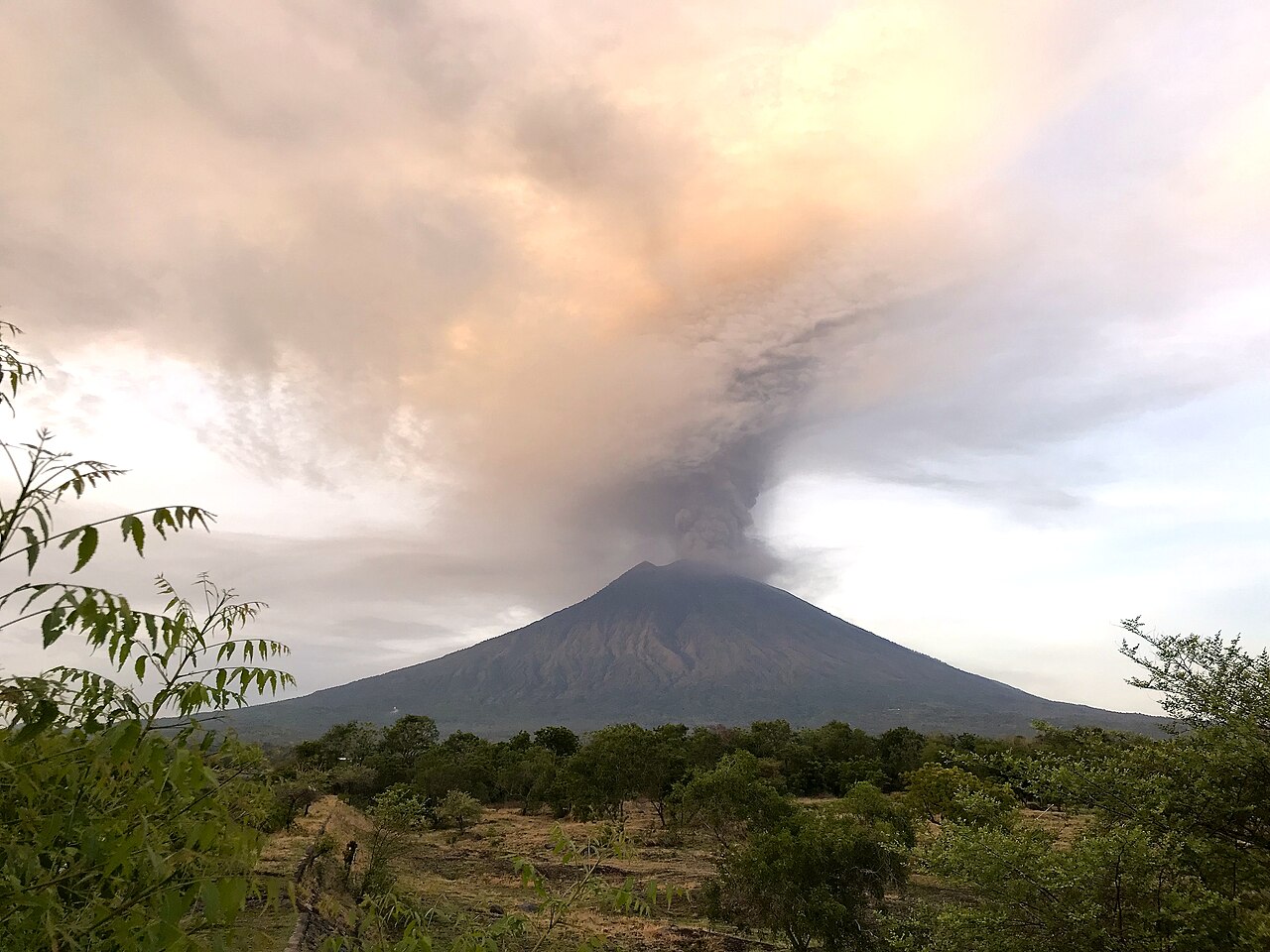
Mount Agung, Bali's highest volcano, erupted in November 2017 after two months of intense tremors, forcing mass evacuations and closing Bali's international airport for nearly three days. Its eruptions continued on and off until mid-2019. No deaths were reported, largely because so many people had already left.
The warning signs
Agung, which rises to just over 3,000 metres in the east of Bali, began to rumble in August 2017. By late September, monitoring stations were recording hundreds of volcanic earthquakes a day. Indonesia's disaster agency said the rising number of tremors showed magma moving towards the surface. On 24 September it set a 12km exclusion zone, and on 30 September the alert was at its highest level. About 122,500 people left their homes, many to crowded shelters.
Why did people take Agung so seriously?
Because its last big eruption, in 1963, was one of the deadliest in Indonesia's modern history. More than 1,000 people were killed, many by pyroclastic flows, fast-moving avalanches of hot gas and rock. Bali's population has roughly doubled since then.
The eruption
Despite the tremors, Agung went quiet in October, and some evacuees went home. Then, on 21 November 2017, it produced a small steam-driven eruption. On 25 November, magma reached the surface. Over the next two days, ash rose thousands of metres into the sky, mudflows called lahars poured down its southern slopes, and the authorities ordered about 100,000 people within 10km to leave.
Volcanic ash can wreck jet engines, so Ngurah Rai International Airport closed on 27 November and stayed shut until 29 November. More than 450 flights were cancelled, affecting around 75,000 passengers, many of them tourists stranded on the island. Bali's tourism industry suffered for months afterwards.
Is it safe to visit Bali now?
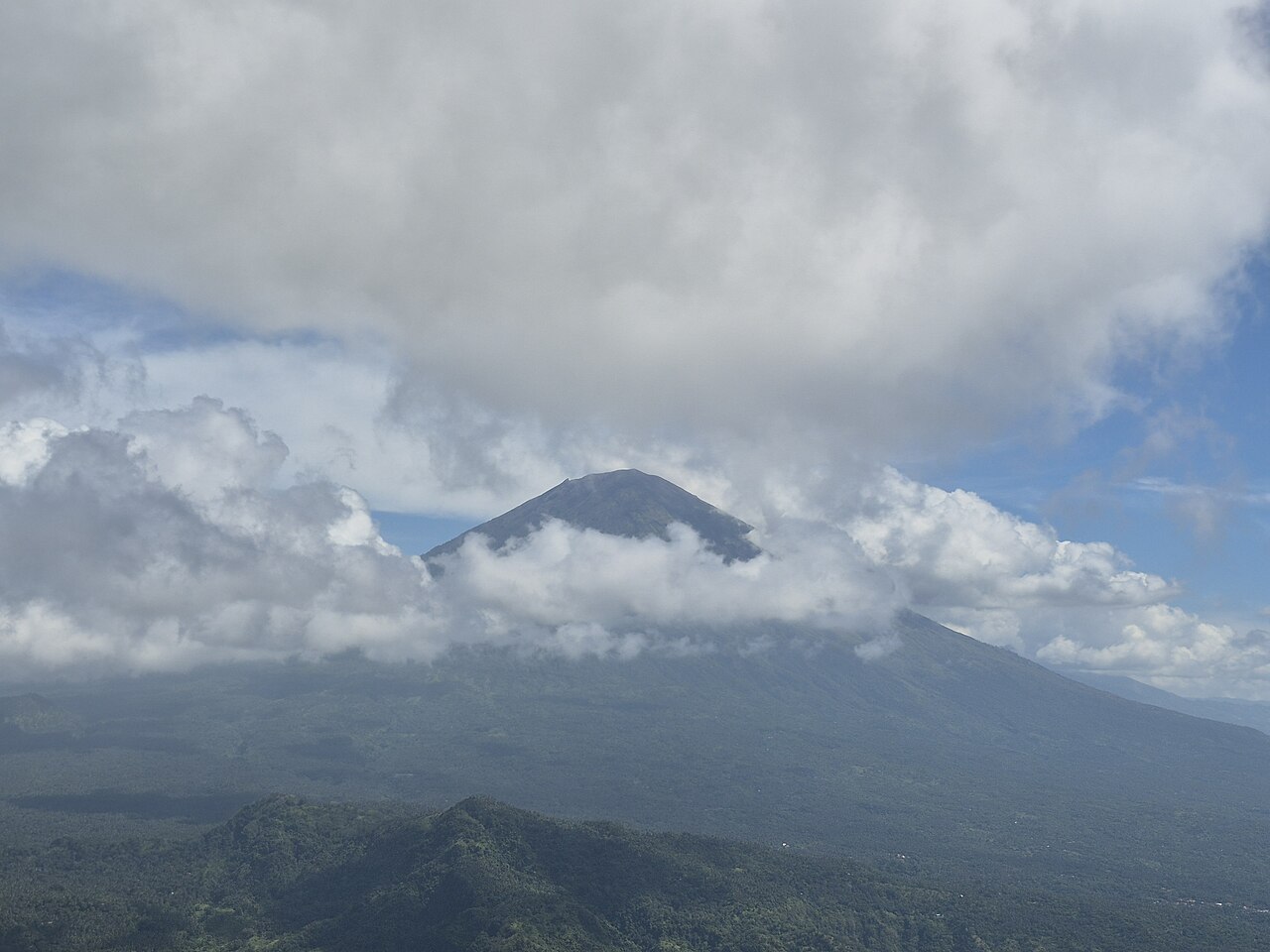
Generally, yes. Agung's 2017 to 2019 eruptive period ended in June 2019. As of early 2026, Indonesian officials had it at Level 1, the lowest of four alert levels. Indonesia's volcano monitoring agency keeps watch on Agung and sets the alert level, and any exclusion zone around the summit. Before travelling, check your government's travel advice and your airline. Ash from eruptions elsewhere in Indonesia, such as Mount Lewotobi Laki-laki on the island of Flores, has also disrupted Bali flights in recent years.







Leave a reply