In the early hours of 2 June 2017, this site carried the first reports of a deadly attack at a casino in the Philippine capital. As the facts emerged, it became clear that this was not the terror attack many first feared, and that almost none of the victims had been touched by the gunman's bullets. They died from smoke. It is a tragedy that still holds lessons for anyone who runs, or visits, a crowded building.
This article discusses a fatal attack. Details of where to find support are at the end.
What happened
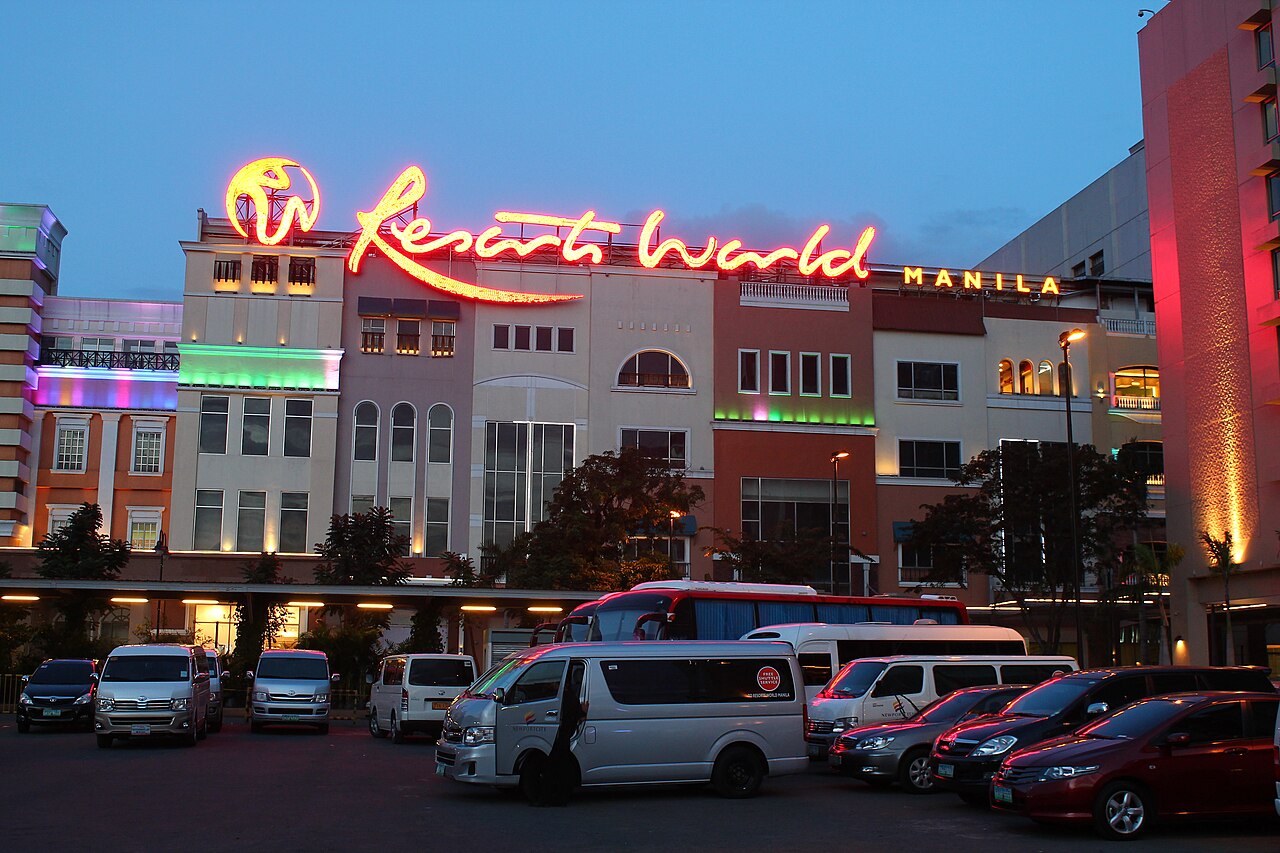
Just after midnight on 2 June 2017, a lone gunman entered the Resorts World Manila casino and hotel complex in Pasay, close to Manila's international airport. He fired shots at television screens, poured petrol on gaming tables and carpets and set them alight, then filled a bag with casino chips worth around 113 million pesos.
Panic spread through the building. Many guests and staff ran for the exits, while others hid from the gunman in rooms and toilets on the upper floors as thick, toxic smoke spread through the complex. The attacker later took his own life in a nearby hotel room.
A death toll from smoke
When firefighters reached the gaming areas, they found the bodies of at least 36 guests and staff. Police said that all of them had died from suffocation or smoke inhalation. None had gunshot wounds. Around 70 more people were injured, many in the rush to escape.
Was the Manila casino attack terrorism?
No. Despite a claim by the Islamic State group, Philippine police concluded it was the act of a lone gunman deep in gambling debt.
Because the attack came as the Philippine army was fighting militants in the southern city of Marawi, many people first assumed it was terrorism, and the Islamic State group claimed responsibility. Philippine police, the military and President Rodrigo Duterte all rejected that claim. Investigators found that the gunman was a former government employee with heavy gambling debts, reportedly equivalent to around US$80,000, and concluded that the attack was a robbery. We are not naming him here.
What investigators found
Congressional hearings in Manila examined how one man with a rifle and petrol could cause so much harm. The resort's management admitted security lapses, and CCTV showed that some guards were not at their posts. Questions were also raised about whether fire safety inspections had been carried out.
On 9 June, the gaming regulator PAGCOR suspended the casino's licence, citing "serious security lapses and deficiencies", and ordered other casinos to submit their security plans. The suspension was lifted at the end of June, and the resort reopened its unaffected areas. The fire-damaged gaming floor was later converted into shops, and in 2022 the complex was rebranded as Newport World Resorts.
The lessons
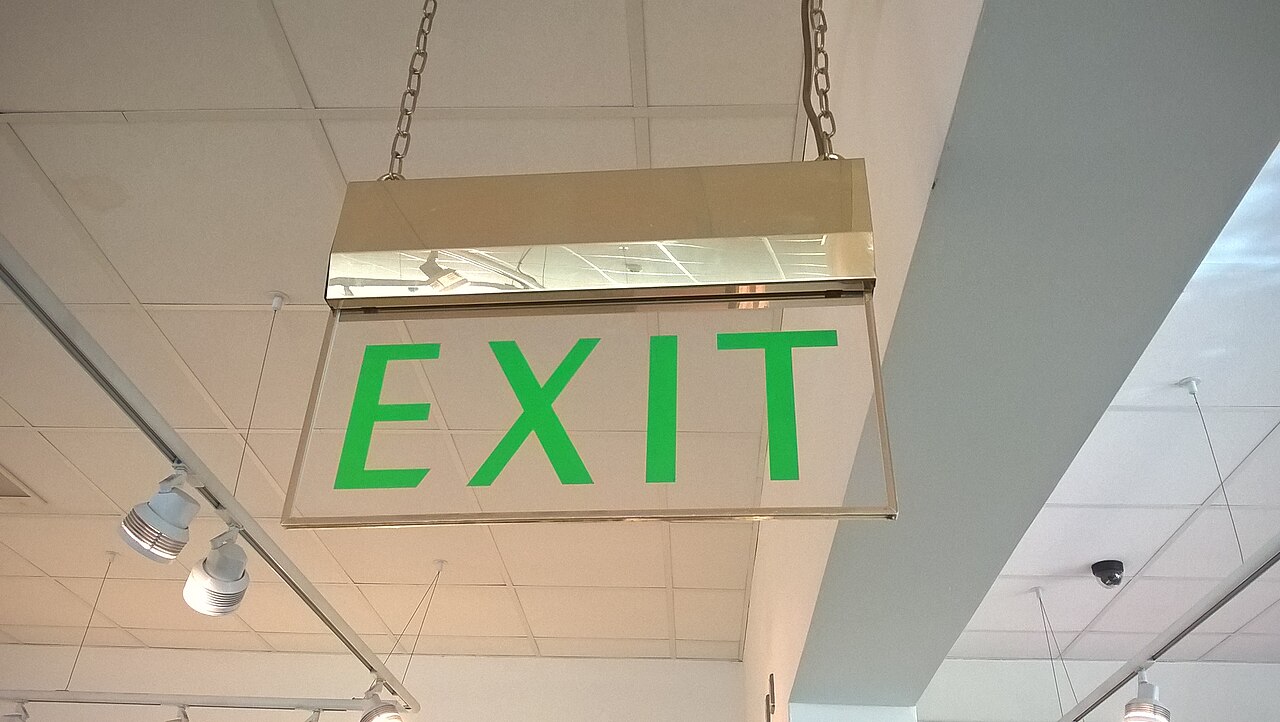
The Manila attack is often cited as a reminder that in a fire, smoke is usually the biggest killer. It can fill large rooms in minutes, and people who shelter in enclosed spaces can be trapped by it. Safety experts point to the same basics for any crowded venue: well-marked and unobstructed exits, staff trained to guide people out, working smoke control systems, and regular inspections.
For visitors, the advice is simple: when you enter a large building, take a moment to notice where the nearest exits are.
If you need support: if you are struggling with gambling, in the UK the free National Gambling Helpline, run by GamCare, is on 0808 8020 133, and in the US you can call 1-800-GAMBLER. If you are having thoughts of suicide, Samaritans are on 116 123 in the UK, and you can call or text 988 in the US.
Sources
- Al Jazeera: Manila Resorts World attack, what we know (June 2017)
- CBS News / AP: 36 dead from smoke in Philippine casino attack (June 2017)
- Philippine Daily Inquirer: Resorts World Manila attack, what we know (June 2017)
- Reuters via Express Tribune: Indebted gambler behind Philippines casino attack (June 2017)
- Wikipedia: 2017 Resorts World Manila attack







Leave a reply