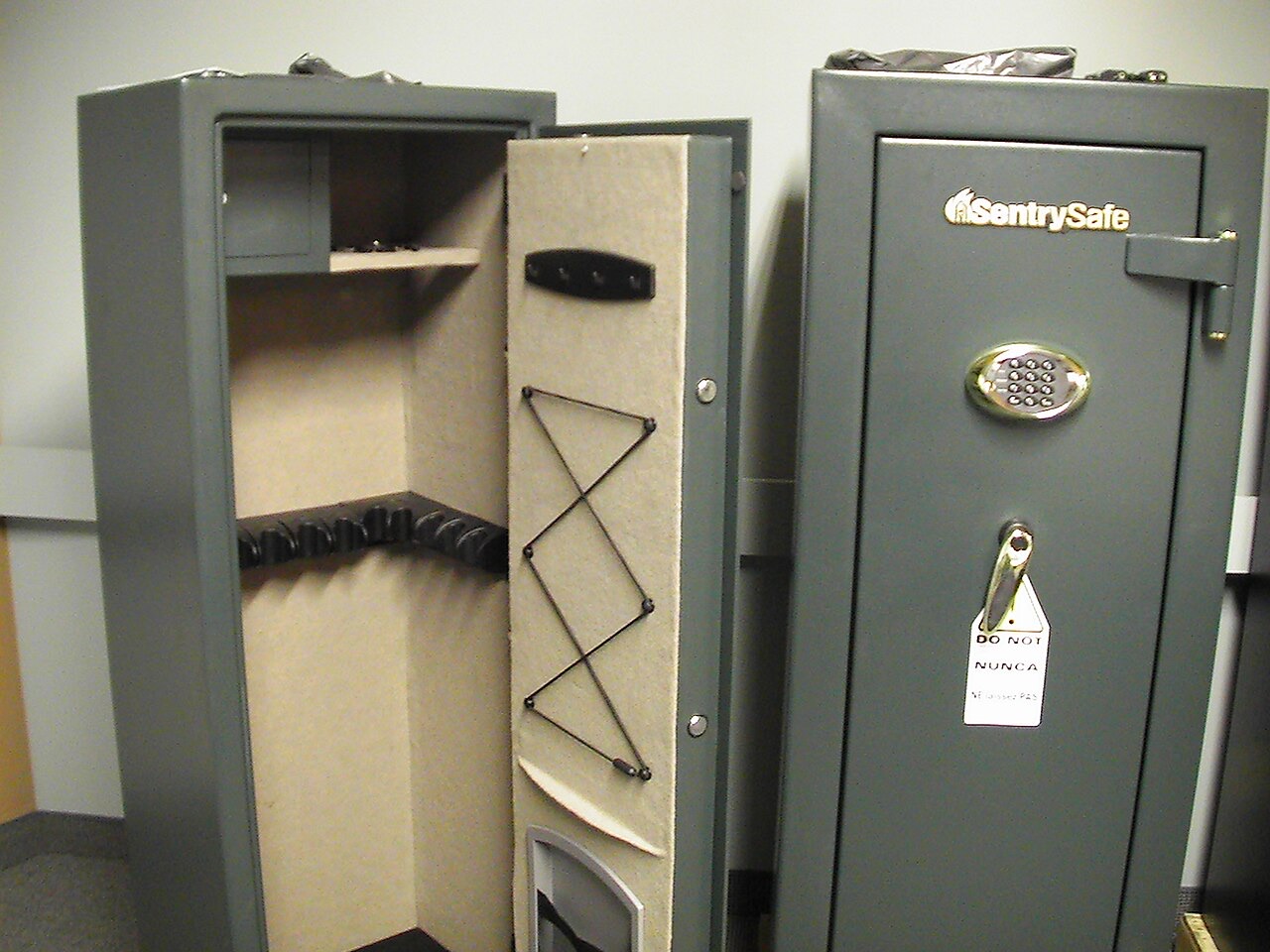
Over Thanksgiving 2016, this site reported a story that is, sadly, far from unique: a four-year-old shot a toddler cousin, and the parents were later charged. Rather than revisit one family's tragedy, this article looks at the bigger picture. In the United States, children find and fire guns several times a week, and researchers agree that most of these shootings could be prevented by one simple habit: storing guns locked, unloaded and separately from ammunition.
The scale of the problem
Gun-safety group Everytown, which tracks these incidents through news reports, has counted more than 3,800 unintentional shootings by children in the US between 2015 and 2025, causing nearly 1,500 deaths and around 2,500 injuries. A peer-reviewed analysis of its data found an average of about 350 such shootings a year, roughly one a day. 2023 was the worst year on record, with more than 400 incidents, before numbers fell in 2024.
Most of the victims are children themselves, and many of the shootings happen at home, often with a gun belonging to a parent or relative. Because the counts come from media reports rather than official records, the true number is likely to be higher.
How many children live with unsecured guns?
A study published in JAMA Network Open in 2026 estimated that nearly 7 million children in the US live in a home with at least one gun that is both loaded and unlocked, up from an earlier estimate of 4.6 million. Many parents believe their children do not know where a gun is kept, or would not touch it, but real-life cases repeatedly show that children find hidden guns.
What the research says
The evidence for safe storage is strong. A widely cited 2005 study in JAMA, led by Dr David Grossman, compared households where young people had been shot with similar households where they had not. As summarised by Everytown, homes that locked both their guns and their ammunition had an 85 per cent lower risk of unintentional firearm injuries to children, and a 78 per cent lower risk of self-inflicted ones, compared with homes that locked neither.
Laws matter too. As of 2025, around 26 to 27 states plus Washington, DC, had laws holding gun owners responsible when a child gets hold of an unsecured firearm, or requiring safe storage more broadly; counts rise to about 35 states if looser "child access prevention" rules are included. Researchers at Johns Hopkins University have found that these laws are associated with fewer firearm suicides and unintentional shootings among young people.
Simple steps that save lives
Safety campaigns such as Be SMART, run by Everytown's support fund, sum up the advice in five steps:
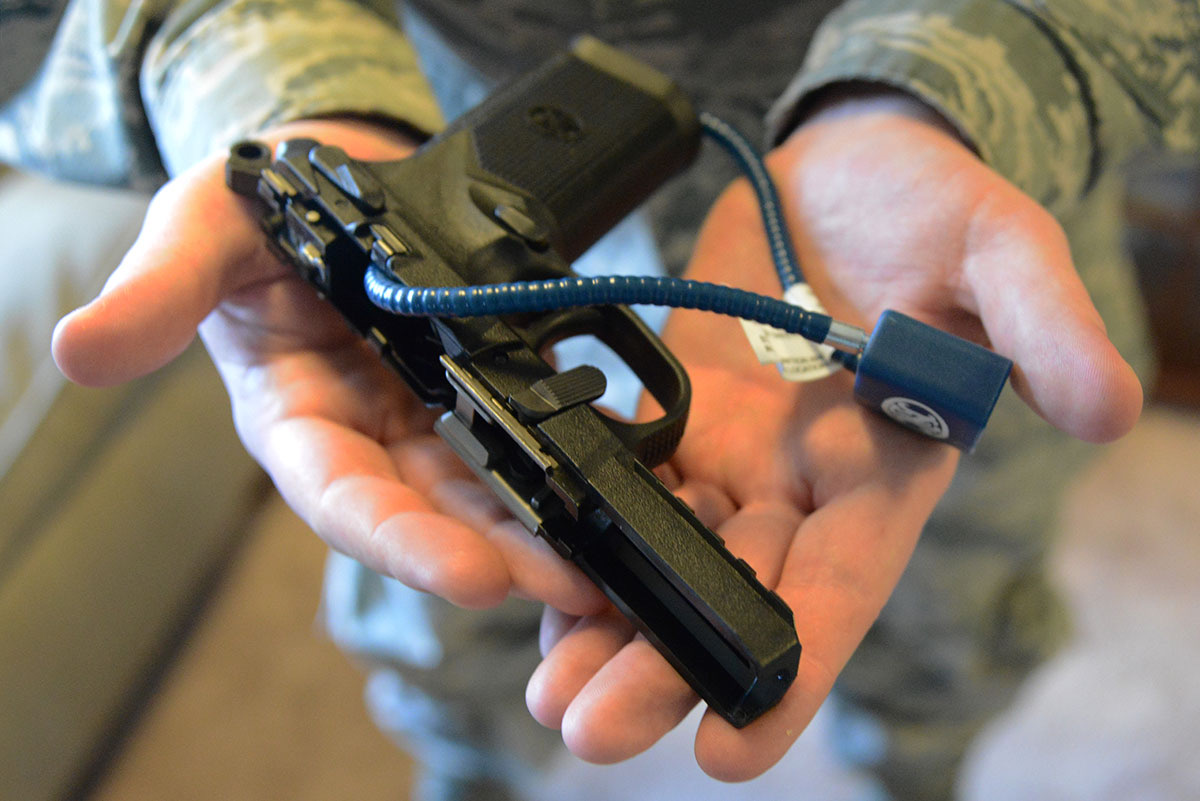
- Secure all guns in your home and car: unloaded, locked, and stored separately from ammunition.
- Model responsible behaviour around guns.
- Ask whether there are unsecured guns in other homes your children visit, just as you might ask about pets or allergies.
- Recognise the role of guns in youth suicide, and the importance of secure storage when a young person is struggling.
- Tell other parents and friends to do the same.
Paediatricians are part of the effort too. The American Academy of Pediatrics recommends that doctors ask families about guns in the home and offer advice on secure storage as part of routine check-ups. Free cable locks are available through safety programmes in many areas.
Outside the US
In countries with stricter gun laws, these shootings are far rarer. In the UK, for example, people who hold firearm or shotgun certificates are legally required to keep their guns securely stored. But the principle is the same everywhere: if there is a gun in the home, it should be locked away where children cannot reach it.
Why the words matter
Campaigners increasingly avoid calling these incidents "accidents", because that word suggests nothing could have been done. In most cases, something could: a lock, a safe, or a single conversation. Ten years after the story this site once ran, that is the message worth passing on.
If you need help: if a child is in immediate danger, call 911 in the US or 999 in the UK. If you are worried about a young person's mental health, in the US call or text 988 (Suicide & Crisis Lifeline); in the UK, Samaritans are available on 116 123, and the NSPCC helpline is 0808 800 5000.
Sources
- Everytown Research: #NotAnAccident Index of unintentional shootings by children
- Injury Epidemiology: peer-reviewed analysis of unintentional shootings by children, 2015-2021
- Everytown: JAMA Network Open study on 7 million children in homes with unsecured, loaded guns (2026)
- Everytown Research: Unload, lock and separate (including the 2005 JAMA findings)
- RAND: The effects of child-access prevention laws
- Johns Hopkins Center for Gun Violence Solutions: child access prevention laws and youth outcomes (2025)
- Everytown: Be SMART and Safe Kids Worldwide partnership











Leave a reply