Kings have collected many things over the centuries: paintings, jewels, palaces, exotic animals. King Frederick William I of Prussia, who ruled from 1713 to 1740, collected tall men. His prized regiment, known as the Potsdam Giants, was made up of soldiers chosen above all for their height. By the time he died, it had more than 3,000 of them, and he had gone to astonishing lengths to find them.
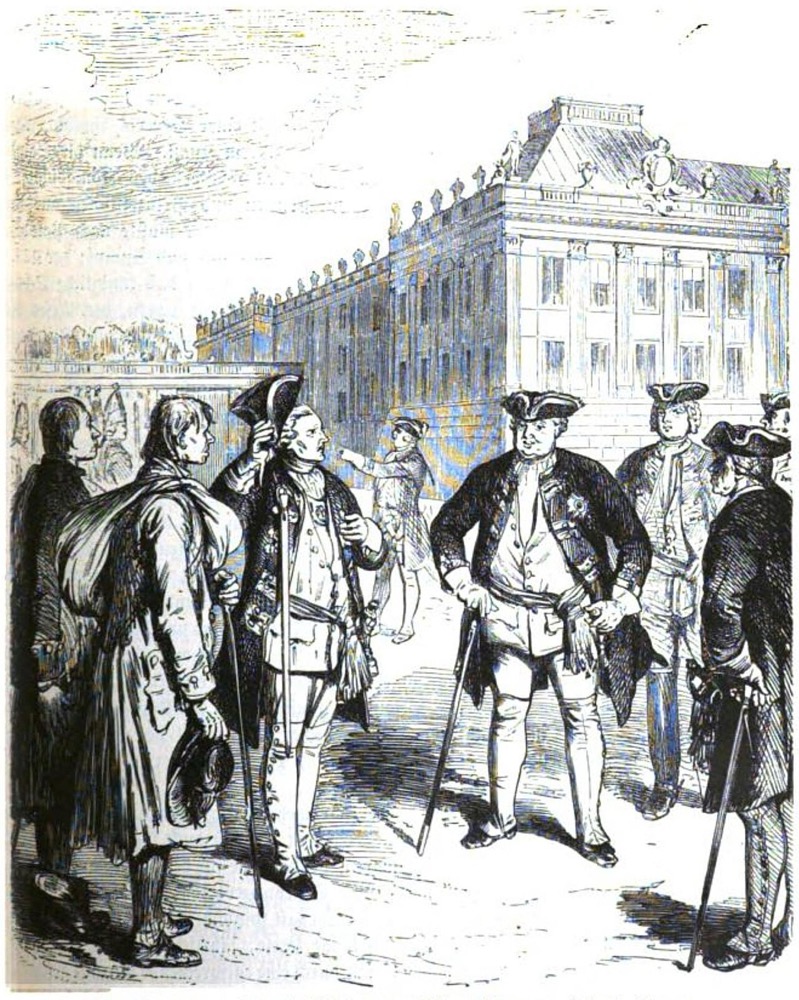
Who were the Potsdam Giants?
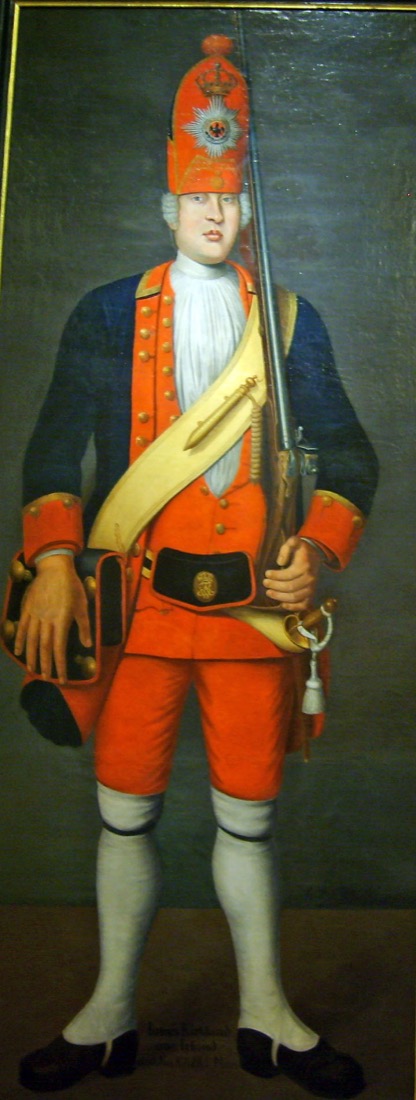
Officially, the unit was Prussian Infantry Regiment No. 6. The king called it his "giant guard", but the people of Potsdam simply called the soldiers the Lange Kerls, the "long fellows". The minimum height was six Prussian feet, about 1.88 metres (6 ft 2 in), at a time when most men were much shorter. The tallest of all was reportedly an Irishman, James Kirkland, said to stand about 2.17 metres (over 7 ft).
The soldiers wore a towering red mitre cap that made them look taller still, along with a blue coat with gold lace, scarlet breeches and white gaiters.
Bought, traded and kidnapped
The king was willing to do almost anything to get tall men. His agents searched across Europe and paid large sums to recruits. Some tall men were taken by force, and some were so unhappy that they tried to desert. Other rulers learned that a tall man was the perfect gift for the Prussian king: soldiers were sent by the Austrian emperor, the Ottoman sultan and Russia's Peter the Great, who received the famous Amber Room in exchange.
Frederick William even tried to breed giants, encouraging his tall soldiers to marry tall women in the hope of producing tall children. Charles Darwin later mentioned the scheme in The Descent of Man as an example of deliberate selective breeding in humans.
A king's obsession
Frederick William was famously thrifty in most things, but not his giants. He drilled them himself, painted their portraits, showed them off to visitors and had them parade before him, even when he was ill. Ironically, the regiment saw no real fighting during his reign. The giants were too precious to risk in battle.
The end of the giants
When Frederick William died in 1740, his son, Frederick the Great, did not share his father's enthusiasm. He cut the regiment down to a single battalion and moved most of the men into ordinary units, where they were finally put to use. The battalion later fought in the Seven Years' War, and the unit came to an end after Prussia's defeat by Napoleon in 1806.
Today, the Potsdam Giants live on in museum portraits. They remain one of history's strangest examples of a ruler's personal obsession shaping an army.


Leave a reply