In 1986, Crocodile Dundee became one of the most successful Australian films ever made. Its hero, Mick Dundee, was a charming, knife-wielding bushman who could survive anything the outback threw at him. What many viewers never knew was that the character had been partly inspired by a real man, Rod Ansell. His story began with a remarkable feat of survival. It ended, more than two decades later, in tragedy.
This article discusses a fatal shooting and drug-related psychosis. Details of where to find support are at the end.
56 days in the wild
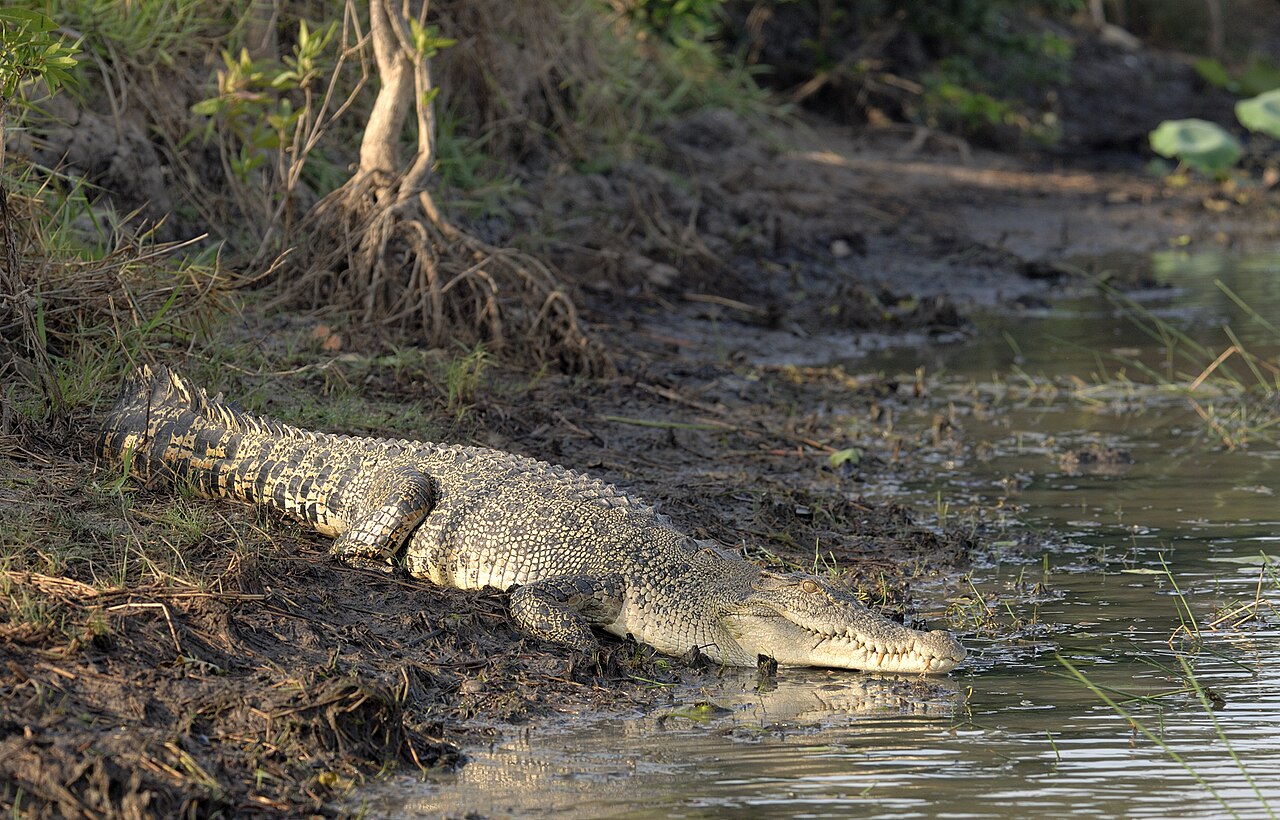
In May 1977, Rod Ansell, a young bushman and buffalo catcher, set off on a fishing trip in the remote north-west of the Northern Territory. His small boat was overturned, and he ended up stranded in wild, crocodile-filled country near the mouth of the Fitzmaurice River with very few supplies.
He survived for 56 days. He travelled upriver on the tides to find fresh water, hunted wild cattle and buffalo, drank cattle blood when water ran short, collected wild honey and slept in trees to stay out of reach of crocodiles. He was finally rescued after hearing the bells of horses, which led him to two Aboriginal stockmen and their cattle station manager.
Was Crocodile Dundee based on a real person?
Partly. Mick Dundee was inspired in part by Rod Ansell, a bushman who survived 56 days stranded in the Northern Territory in 1977.
Newspapers called Ansell a modern-day Robinson Crusoe. He took part in a 1979 documentary, To Fight the Wild, and a book followed. In 1981 he appeared in a television interview with Michael Parkinson, and comedian Paul Hogan, who saw his story, went on to create the character of Mick "Crocodile" Dundee with his co-writers. Ansell did not share in the film's huge success, and a later legal action against Hogan failed.
Hard years
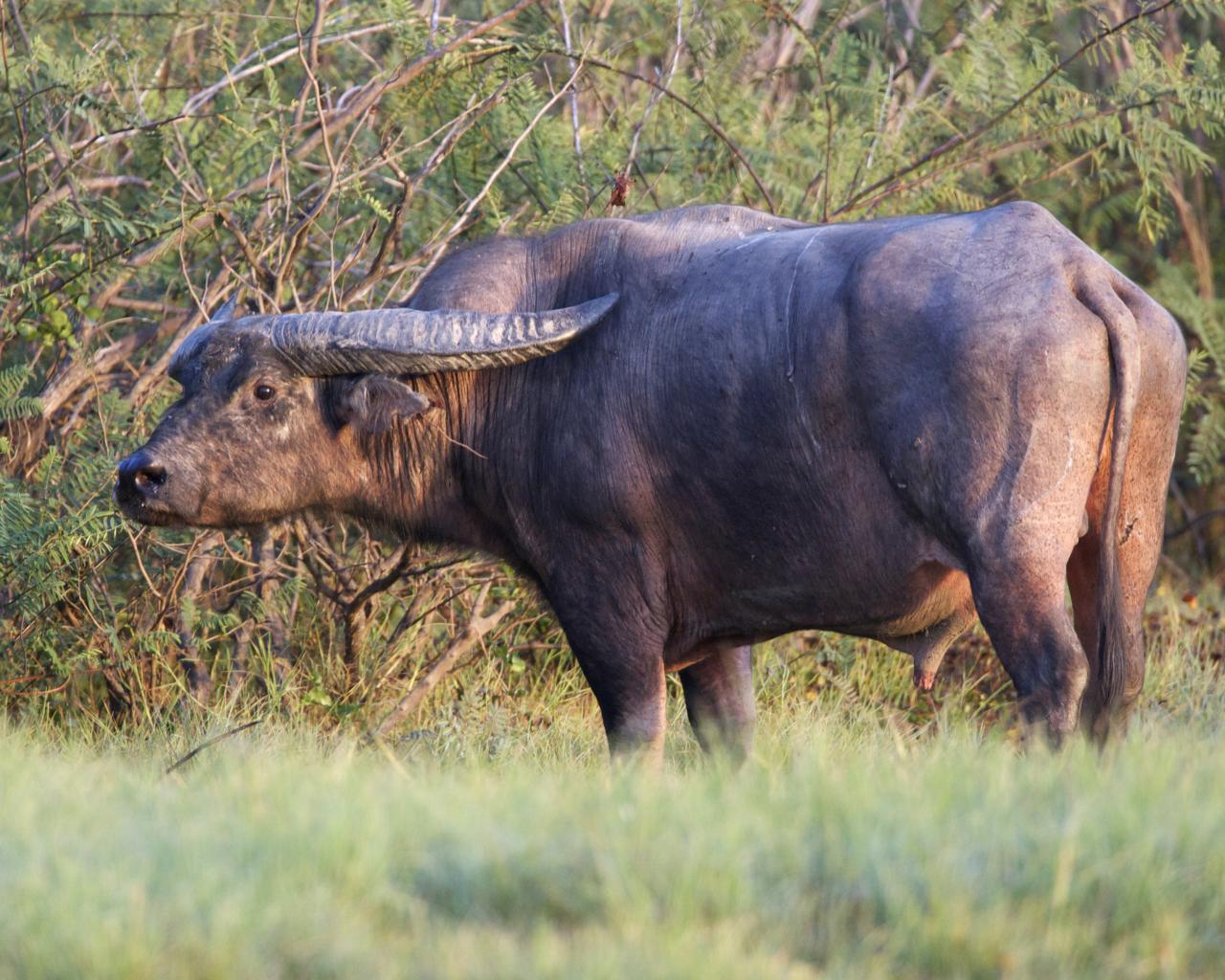
From 1985, Ansell ran a cattle station near Darwin. Under a government eradication programme, he had to shoot about 3,000 feral buffalo, without compensation, and the land was then overrun by an invasive weed that made it unusable. The family sold the station in 1991.
A tragic end
By 1999, Ansell's life had fallen apart. A coroner's inquest later found that he and his partner had been in a shared delusional state, fuelled by regular amphetamine use, and that Ansell believed his sons had been kidnapped as part of a conspiracy. On 3 August 1999, at a police roadblock on the Stuart Highway south of Darwin, he shot and killed Sergeant Glen Huitson of the Northern Territory Police and wounded a bystander. Ansell was shot dead by police in the gun battle that followed.
Sergeant Huitson died in the line of duty, and he is remembered among the Northern Territory's fallen police officers.
Legend and reality
On screen, Mick Dundee charmed his way from the outback to New York. Rod Ansell's real survival story was just as extraordinary, but his life was shaped by hardship, drugs and mental illness, and it cost the life of a police officer. It is a sobering reminder that the people behind our favourite legends are real, and that their stories do not always have Hollywood endings.
If you need support: in Australia, Lifeline is available 24 hours a day on 13 11 14, and the National Alcohol and Other Drug Hotline is on 1800 250 015. In the UK, FRANK offers free drugs advice on 0300 123 6600, and Samaritans are on 116 123.
Sources
- Wikipedia: Rod Ansell
- Obituaries Australia (Australian National University): Rodney William Ansell
- CBS News: "Real Crocodile Dundee" dies (1999)
- The Irish Times: "Crocodile" bushman killed (1999)
- Remembering NT Police's Glen Huitson
- National Film and Sound Archive of Australia: Crocodile Dundee (1986)





Leave a reply