The Bom Jesus was a Portuguese trading ship that sailed from Lisbon in March 1533 and was wrecked off the coast of what is now Namibia. Diamond miners found it in 2008, with more than 2,000 gold coins on board. It is the oldest shipwreck ever found in sub-Saharan Africa.
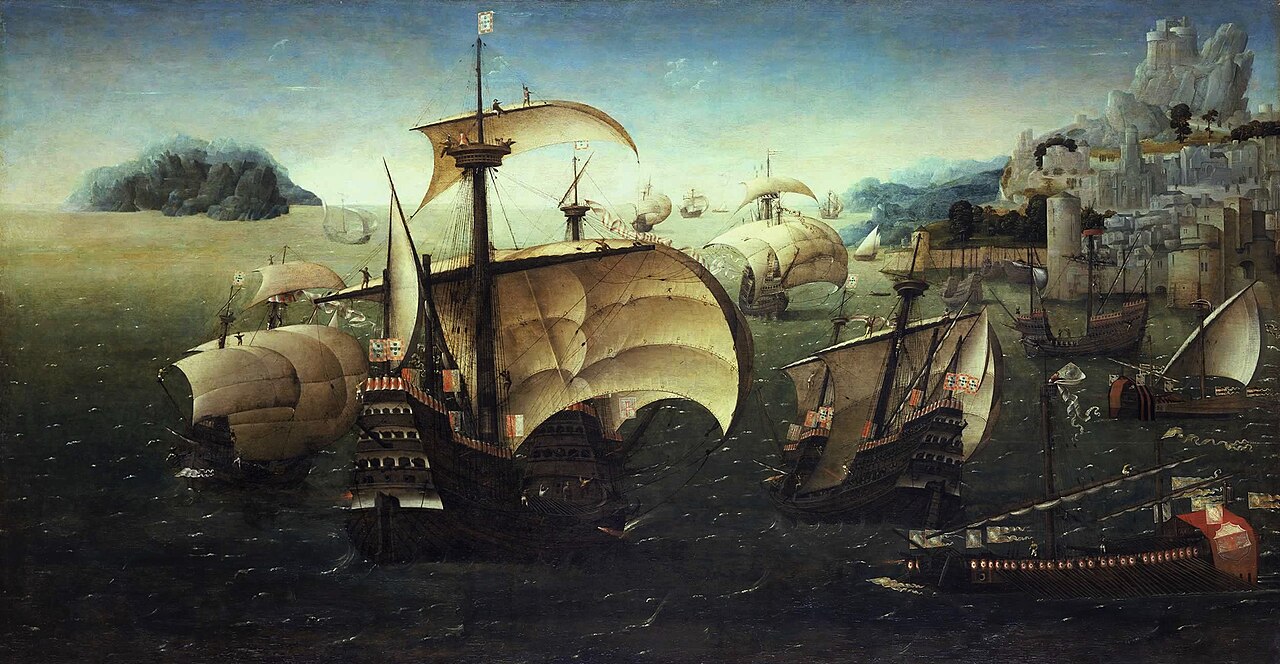
Was the ship really found in the desert?
Not quite. The wreck lay on the seabed just off the beach near Oranjemund, in Namibia's diamond mining area. To mine diamonds from the seabed, the company Namdeb builds huge sand walls and pumps the sea out from behind them. In April 2008, a worker on one of these drained sites spotted copper ingots and pieces of ivory in the sand. Archaeologist Dieter Noli realised the find was very old, and mining stopped while experts excavated it.
What was on board?
- Coins: 2,159 in all, most of them Spanish gold coins, along with Portuguese, Venetian, French and Moorish coins.
- Copper: 1,845 copper ingots weighing about 17 tonnes, traced to the Fugger family, the powerful banking dynasty of Augsburg in Germany.
- Ivory: 105 elephant tusks, about 2 tonnes in all.
- Everything else: cannons, swords, navigation instruments, lead, tin and textiles. Over 40 tonnes of material were recovered in all.
How the ship was identified
The coins were the key. Several bore the emblem of King John III of Portugal, and none were minted later than the 1530s. The Bom Jesus is known to have left Lisbon on 7 March 1533, bound for India, and was never heard of again. Portugal's maritime archives were largely destroyed in the 1755 Lisbon earthquake, so the identification rests on the evidence rather than a surviving log.
The ship seems to have been driven towards the shore in a storm, struck a rock and capsized. Only a few scattered bone fragments were found, suggesting many of the crew may have reached land or been lost at sea.
Where is the treasure now?
Most of the hull and cargo has spent years in storage, much of it kept in tanks of seawater at Oranjemund to stop it decaying. In August 2024, a permanent exhibition about the ship opened at the town's Jasper House Museum. A dedicated museum has been discussed for years but has not been funded. Nearly 500 years after it sank, the Bom Jesus is still giving historians a rare look at the early global trade in gold, copper and ivory.







Leave a reply