No. The United States formally left the Paris climate agreement for the second time on 27 January 2026, a year after President Trump announced the withdrawal on his first day back in office. Almost every other country remains in the deal.
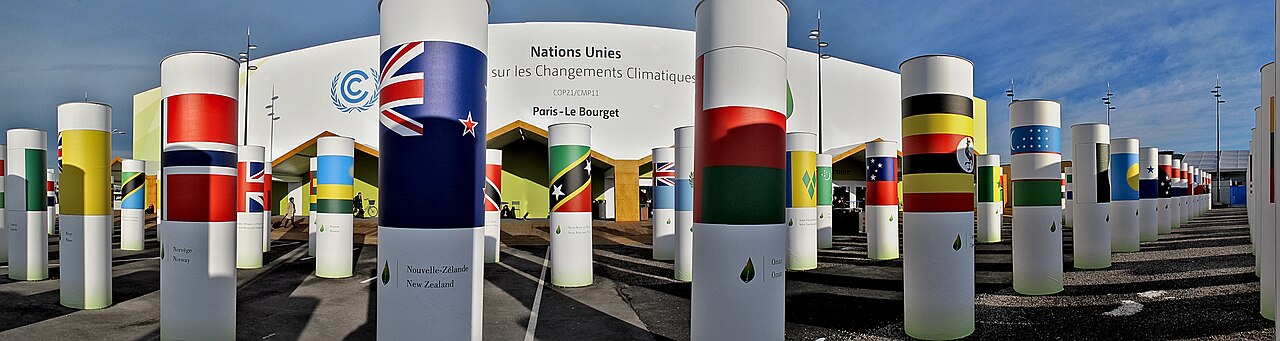
What is the Paris Agreement?
Agreed by nearly 200 countries in December 2015, the Paris Agreement aims to keep global warming well below 2C above pre-industrial levels, and to try to limit it to 1.5C. Each country sets its own targets for cutting greenhouse gas emissions and must update them every five years. The targets are not legally binding, but reporting on progress is.
Timeline: in, out, in, out
- 2016: the US, under President Barack Obama, joined the agreement.
- 1 June 2017: President Trump announced the US would withdraw, saying the deal disadvantaged American workers. Obama said the administration was joining "a small handful of nations that reject the future", and many US states and cities pledged to keep to the targets anyway.
- 4 November 2020: under the agreement's rules, the withdrawal took effect, the day after that year's presidential election.
- 19 February 2021: the US officially rejoined after President Joe Biden signed the order on his first day in office.
- 20 January 2025: on returning to office, Trump ordered a second withdrawal.
- 27 January 2026: the second withdrawal took effect. In January 2026, the US also notified the UN that it would leave the wider UN climate treaty, the UNFCCC.
Why does it matter?
The US is the world's second-largest emitter of greenhouse gases after China, and the largest historically. Its absence weakens pressure on other big emitters, and the US has pulled back from international climate finance. The UN has estimated that the US exit could add around 0.1C to global warming.
The stakes have risen. According to the EU's Copernicus climate service, 2024 was the first calendar year in which the global average temperature was more than 1.5C above pre-industrial levels. That does not mean the Paris goal, which is measured over decades, has been missed yet, but scientists warn it soon will be without much faster cuts in emissions.











Leave a reply