Hurricane Irma was a Category 5 storm that hit the north-eastern Caribbean, Cuba and Florida in September 2017. The US National Hurricane Center blamed it for at least 129 deaths and estimated US damage alone at about $50 billion. Its peak winds of about 180mph made it one of the strongest Atlantic hurricanes on record.
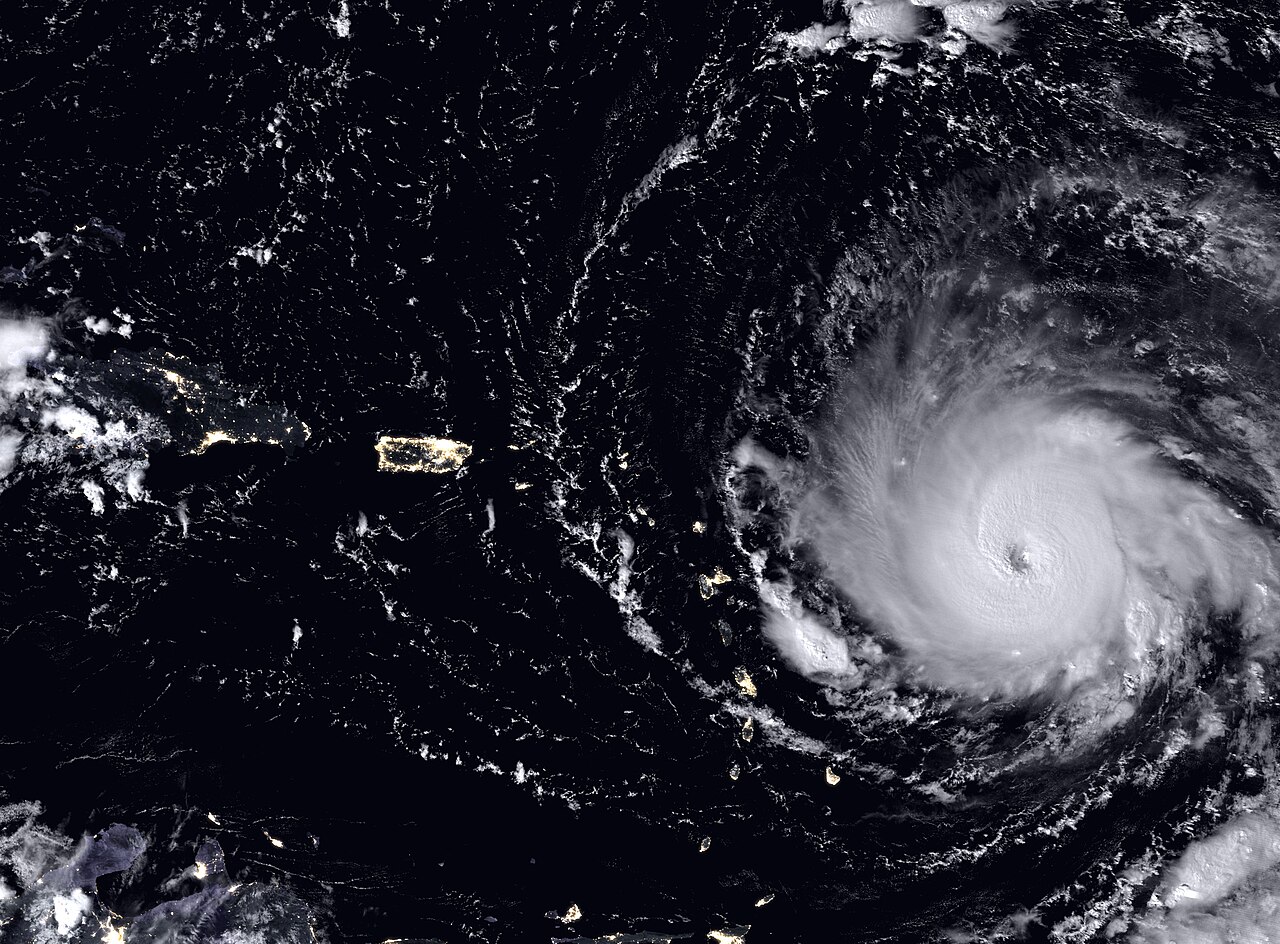
Irma's path
- 30 August: Irma formed near the Cape Verde Islands, off West Africa, and strengthened quickly as it crossed the warm Atlantic.
- 6 September: at its peak strength, it struck Barbuda, then Saint Martin, Saint Barthélemy, Anguilla and the British and US Virgin Islands.
- 7 to 8 September: it passed north of Puerto Rico, Hispaniola and the Turks and Caicos Islands, then hit Cuba's north coast as a Category 5 storm.
- 10 September: it made landfall in the Florida Keys at Cudjoe Key as a Category 4 hurricane, then hit Marco Island on Florida's west coast as a Category 3 storm, before weakening as it moved inland.
Why was Barbuda evacuated?
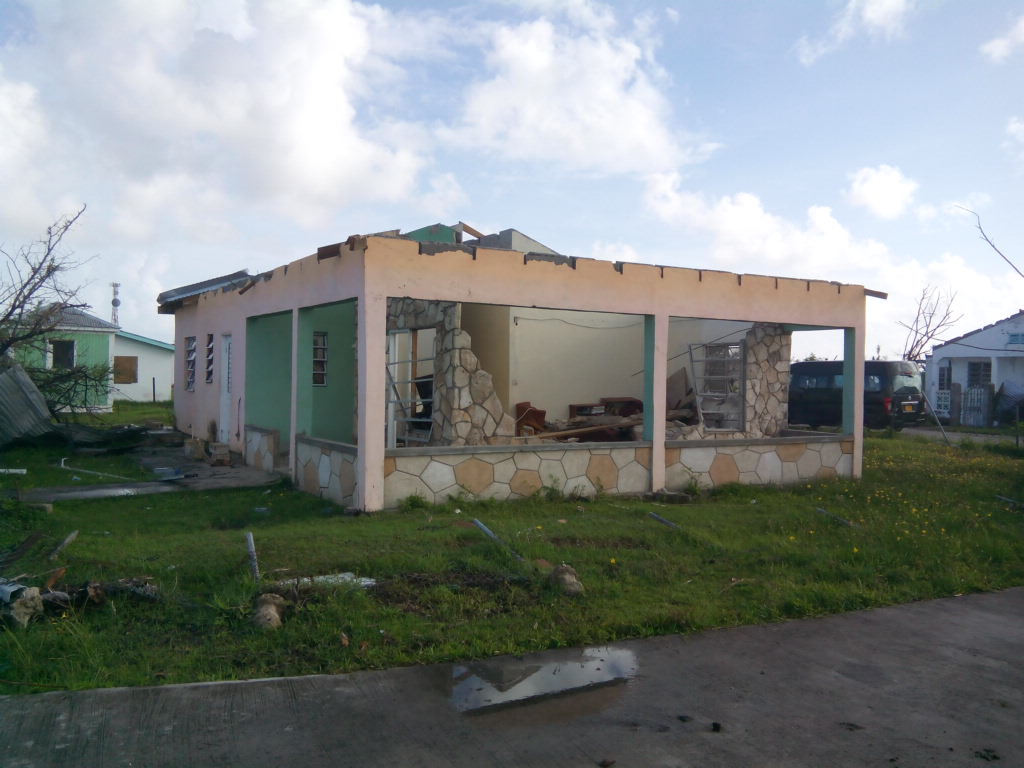
Because the island was left almost uninhabitable. Irma's eye passed over Barbuda, and most of its buildings were damaged or destroyed. The government of Antigua and Barbuda moved almost the entire population of around 1,800 people to Antigua, leaving Barbuda virtually empty for the first time in modern history. Days later, Hurricane Jose threatened the island again. Recovery took years.
Florida's mass evacuation
Florida ordered one of the largest evacuations in US history, with more than 6 million people told to leave. Many roads north were jammed for days. Of the deaths the National Hurricane Center counted, 85 were indirect, caused by things such as accidents during the clean-up, carbon monoxide poisoning from generators and the loss of power. Most of those were in Florida, including residents of a nursing home in Hollywood that lost its air conditioning in the heat.
A brutal season
Irma came just days after Hurricane Harvey flooded Houston, and two weeks before Hurricane Maria devastated Dominica and Puerto Rico. In 2018, the World Meteorological Organization retired all three names, along with Nate, so they will never be used for Atlantic storms again. Scientists say a warming climate makes the strongest hurricanes wetter and more intense, and the 2017 season became a reference point for that debate.








Leave a reply