About 23,000 wild lions are thought to survive in Africa, and just under 900 more live in India. That is the short answer. The longer one is that lions have vanished from most of the places they once lived, and the counts behind the headline number are less certain than they look.
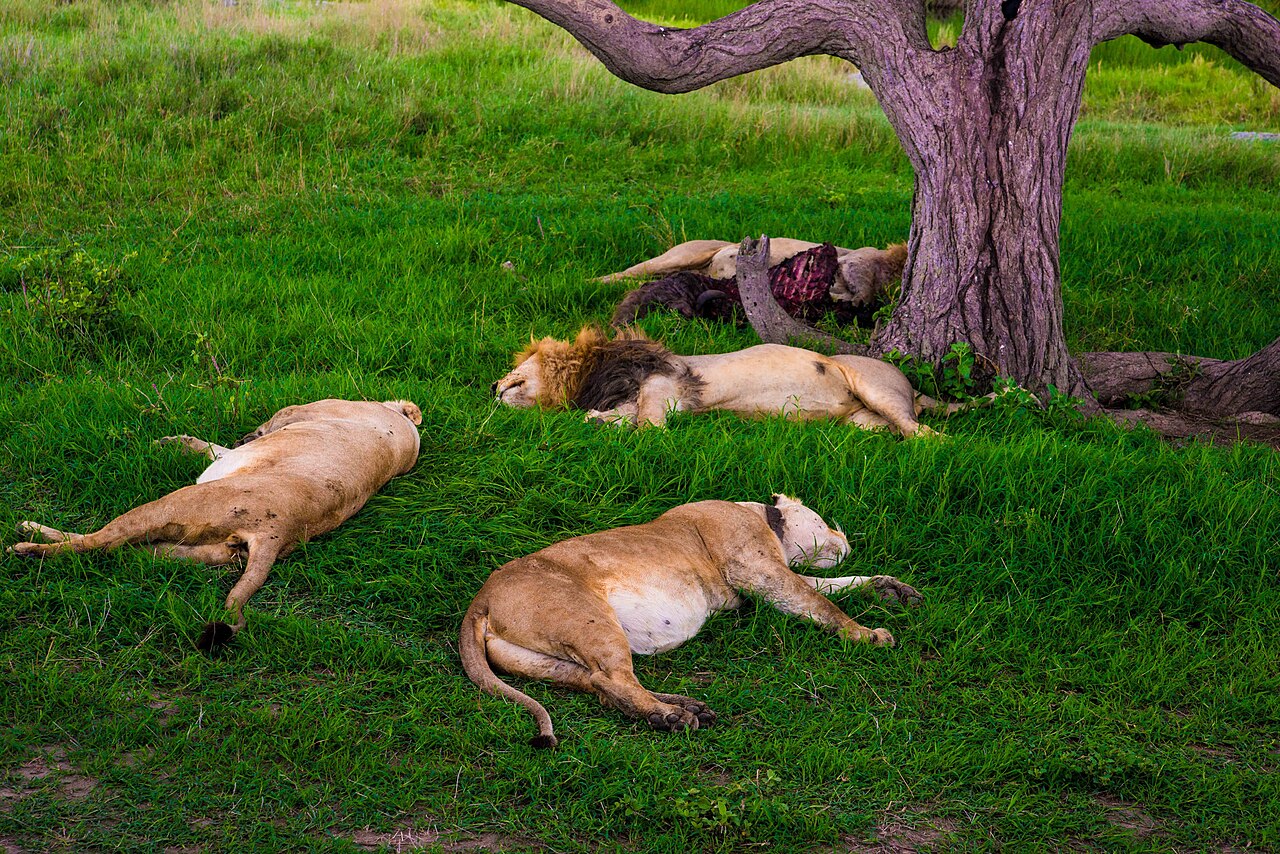
How many lions are left in the wild?
The International Union for Conservation of Nature (IUCN), which runs the global Red List of threatened species, puts the African population at around 23,000 adult and subadult lions, based on 2023 figures from the African Lion Database. A 2025 estimate from the IUCN's Cat Specialist Group gave a range of 22,000 to 25,000.
India holds the only wild lions outside Africa. Gujarat's 2025 lion census counted 891, up from 674 in 2020 and 327 in 2001.
Those figures leave out the many lions kept in zoos, private collections and breeding farms, which do not count towards the wild population.
A long decline
The IUCN lists the lion as Vulnerable. Its assessment found that lion numbers fell by about 43 per cent over the 21 years from 1993 to 2014, judged from 47 relatively well-monitored populations. The losses were uneven. Some managed populations in southern Africa were stable or growing, while lions in much of West, Central and East Africa declined sharply.
Lions in West Africa are in the worst shape. The region was assessed separately as Critically Endangered, after a 2014 survey found only a few hundred lions left across a handful of isolated parks.
Lions are already gone from North Africa and the Middle East. In March 2025, the IUCN gave the species a new "Green Status" score of Largely Depleted, a measure of how far it has fallen from its historical range and role in the ecosystem.
What is driving it?
- Loss of space. Farmland and settlements keep spreading into lion habitat.
- Conflict with people. Lions that kill livestock are often shot, speared or poisoned in retaliation.
- Loss of prey. Bushmeat hunting removes the antelope and other animals lions need to eat.
- Trade in body parts. Bones, teeth and claws are sold, including into markets in Asia.
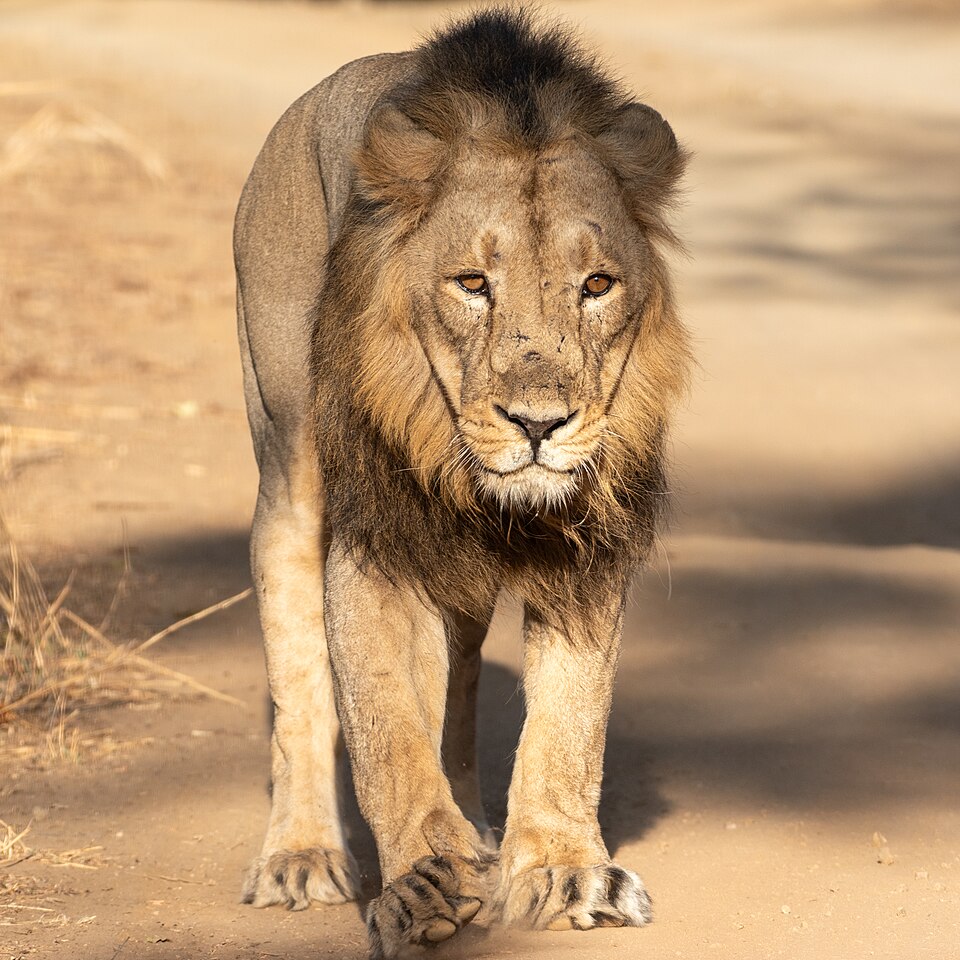
India's comeback
India's lions show that recovery is possible. A little over a century ago, only a small number survived in the Gir forest of Gujarat. Protection let them recover, and by 2025 more than half of them were living outside the main protected area, in farmland, scrub and coastal areas. That brings its own problems, with more encounters between lions and people.
The bottom line
Around 24,000 lions survive in the wild worldwide, most of them in a few strongholds in eastern and southern Africa. Where parks are well funded and local people benefit from wildlife, lion numbers hold steady or grow. Where they are not, lions are disappearing.
Sources
- Down To Earth: IUCN Green Status assessment for the lion (March 2025)
- IUCN Red List assessment of the lion (via CMS)
- Henschel et al.: The lion in West Africa is critically endangered (2014)
- Down To Earth: Asiatic lion population rises from 674 to 891 (2025)
- Smithsonian: Why Africa's lion population is declining (2025)












Leave a reply