In September 2017, more than 180 polar bears gathered to feed on the carcass of a bowhead whale washed up on Wrangel Island in the Russian Arctic. Polar bears usually live alone, so the scene stunned scientists. A dead whale can feed many bears, but research suggests it cannot replace the seals they lose as sea ice shrinks.
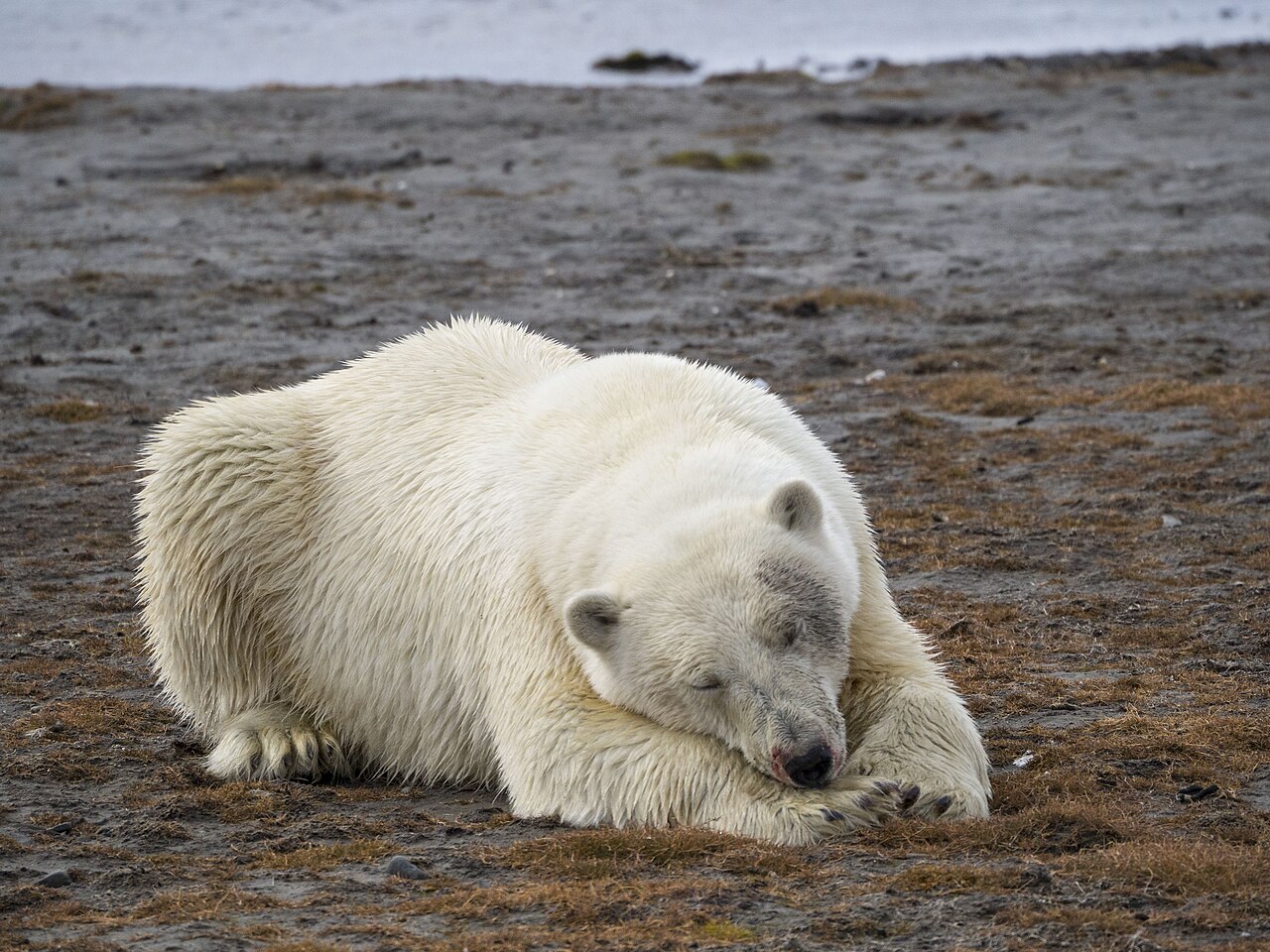
What happened on Wrangel Island?
Wrangel Island lies in the Arctic Ocean off north-east Siberia and is a protected nature reserve, sometimes called a maternity ward for polar bears because so many females den there. In September 2017, a group of tourists and scientists on a boat came across bears of all ages, including mothers with cubs, crowded on and around a bowhead whale carcass, with many more resting on the hillsides nearby.
Why were so many bears there?
Polar bears hunt seals from the sea ice. When the ice melts in summer, bears on Wrangel have to come ashore and wait, living off their fat until the ice returns in autumn. Scientists in the reserve reported that bears were now spending about a month longer on the island than they did 20 years earlier, because the ice was melting earlier and returning later. Hungry bears on land will gather wherever food appears, and a dead whale is a rare feast.
Can dead whales save polar bears?
Only in rare places. A 2019 study led by Kristin Laidre of the University of Washington found that a single bowhead whale carcass holds as much energy as more than 1,300 adult ringed seals. Whale carcasses helped polar bears survive warm periods in the past. But the researchers concluded that, across most of the Arctic, there are far too few dead whales washing ashore, in too few places, to replace seals as the bears' main food as the ice disappears.
A warning from the Arctic
The Arctic is warming several times faster than the planet as a whole, and summer sea ice is shrinking. For polar bears, which need the ice to hunt, that means longer fasts and harder lives. The Wrangel feast made for remarkable pictures, but scientists saw it less as a sign of plenty than as a sign of bears adapting to a rapidly changing home.










Leave a reply