On the night of 8 March 1971, while millions of Americans watched Muhammad Ali fight Joe Frazier, a small group of activists broke into a two-person FBI office in the town of Media, Pennsylvania. They carried away more than 1,000 files. What those papers revealed changed how the FBI was overseen, and the people who took them were never caught.
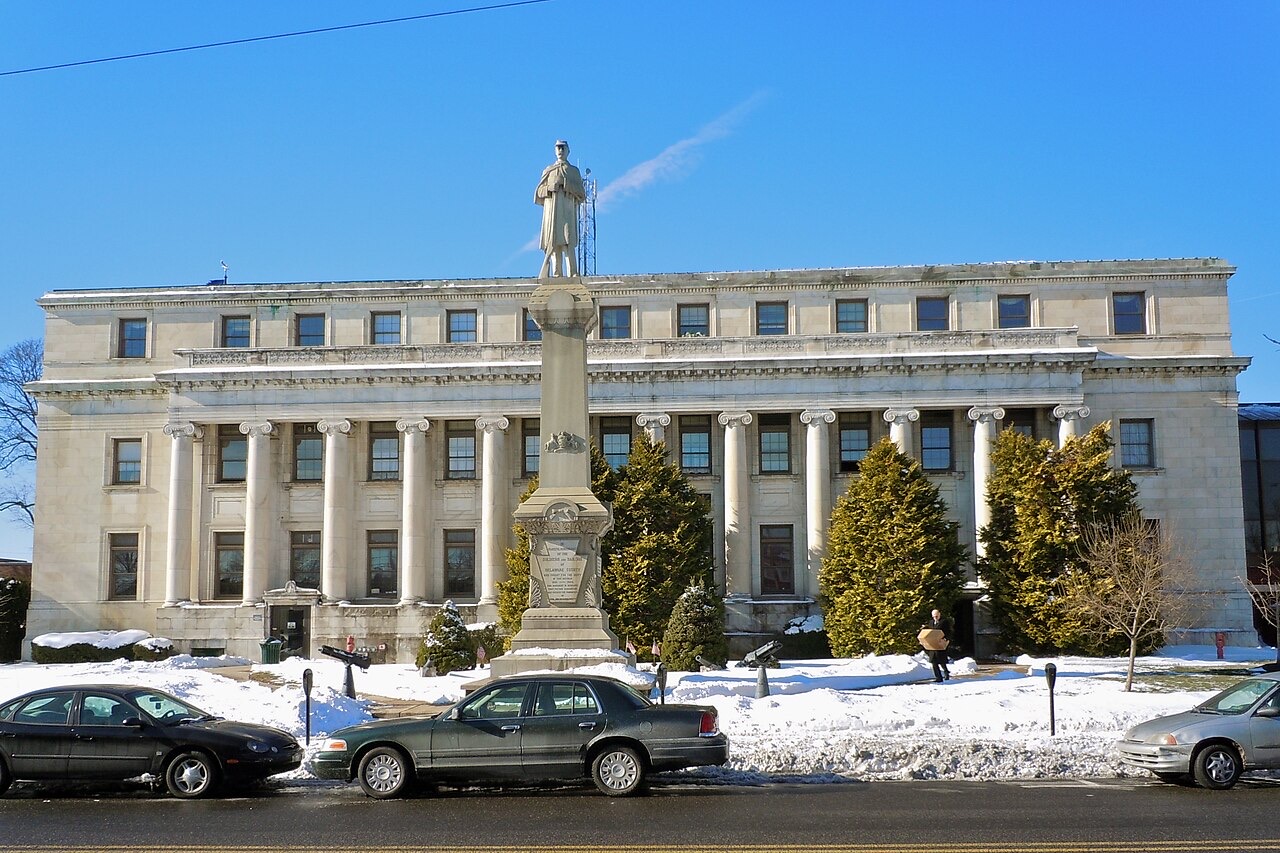
The break-in
The eight burglars called themselves the Citizens' Commission to Investigate the FBI. Their leader, physicist William Davidon, had become convinced that the bureau was secretly spying on the anti-war movement, and believed FBI director J. Edgar Hoover was too powerful for any official body to investigate. One member scouted the office by posing as a student. They chose the night of the "Fight of the Century", hoping the noise of the broadcast would cover the sound of them breaking in.
What did the stolen FBI files reveal?
They showed that the FBI was watching, infiltrating and trying to intimidate peaceful political groups.
The group posted copies anonymously to journalists and politicians. Most refused to publish them, but The Washington Post, through reporter Betty Medsger, confirmed they were genuine and ran a front-page story on 24 March 1971. The files showed widespread surveillance of anti-war campaigners, student groups and Black civil rights organisations. One memo encouraged agents to step up interviews to "enhance the paranoia" among activists and make them feel there was "an FBI agent behind every mailbox".
Another document carried a mysterious word: COINTELPRO. Journalists later revealed it was the name of a secret FBI counterintelligence programme, running since the 1950s, to disrupt and discredit domestic political groups.
What happened next
Hoover formally ended COINTELPRO in April 1971. The revelations fed into the Senate's Church Committee investigation in the mid-1970s, which exposed further abuses by the FBI and CIA and led to permanent congressional oversight of the US intelligence agencies.
Meanwhile, up to 200 agents hunted the burglars. They never solved the case, and it was closed in 1976, when the five-year statute of limitations ran out.
The burglars go public
For more than four decades, the group kept its secret. Then, in 2014, five of the eight agreed to be named in Medsger's book The Burglary, among them John and Bonnie Raines, and Keith Forsyth, who had picked the lock. A documentary, 1971, came out the same year. In 2021, Pennsylvania put up an official historical marker in Media recognising the break-in.
Their actions are still debated. They broke the law, but they exposed abuses that the government itself had failed to stop.
Sources
- Wikipedia: Citizens' Commission to Investigate the FBI
- PBS NewsHour: How an unlikely group changed the face of the FBI (2014)
- WHYY: After exposing FBI's agenda in '71, burglars leave the shadows (2014)
- Philadelphia Inquirer: The 1971 FBI break-in, 50 years on (2021)
- NPR: The secret burglary that exposed J. Edgar Hoover's FBI (2014)






Leave a reply