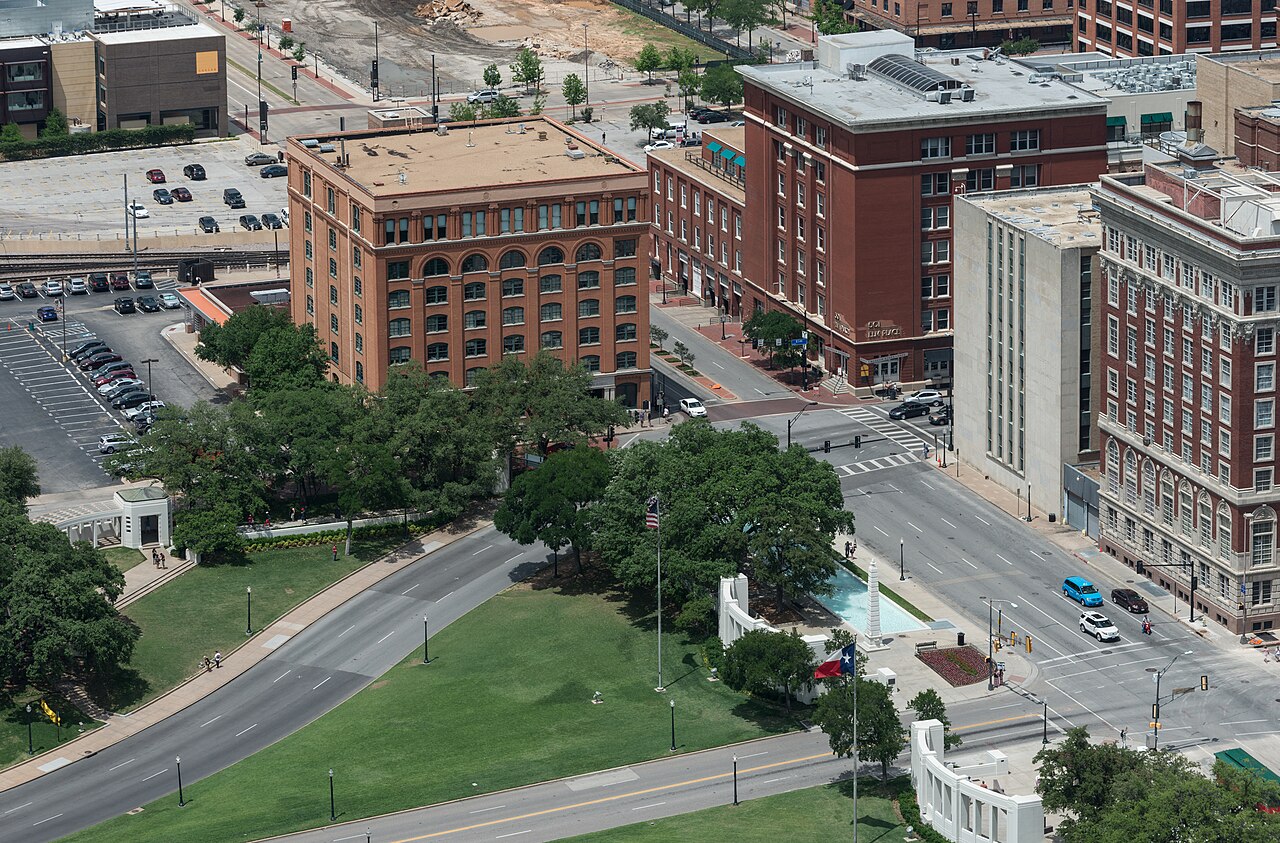
In late October 2017, the US government released thousands of previously secret documents about the assassination of President John F. Kennedy in Dallas in November 1963. Newspapers rushed to list the most eye-catching revelations, and so did this site. But many files were still held back. In March 2025, after an executive order from President Trump, tens of thousands more pages were published. Together, they tell us a great deal about the Cold War, and remarkably little that changes the basic story of what happened in Dealey Plaza.
Why the files were secret
In 1992, after renewed public interest sparked partly by Oliver Stone's film JFK, Congress passed a law requiring all government records about the assassination to be released by October 2017, unless their release would harm national security. When the deadline arrived, President Trump said he would publish everything, but intelligence agencies persuaded him to hold some material back. Further releases followed in later years, but thousands of pages remained partly blacked out.
The 2025 release
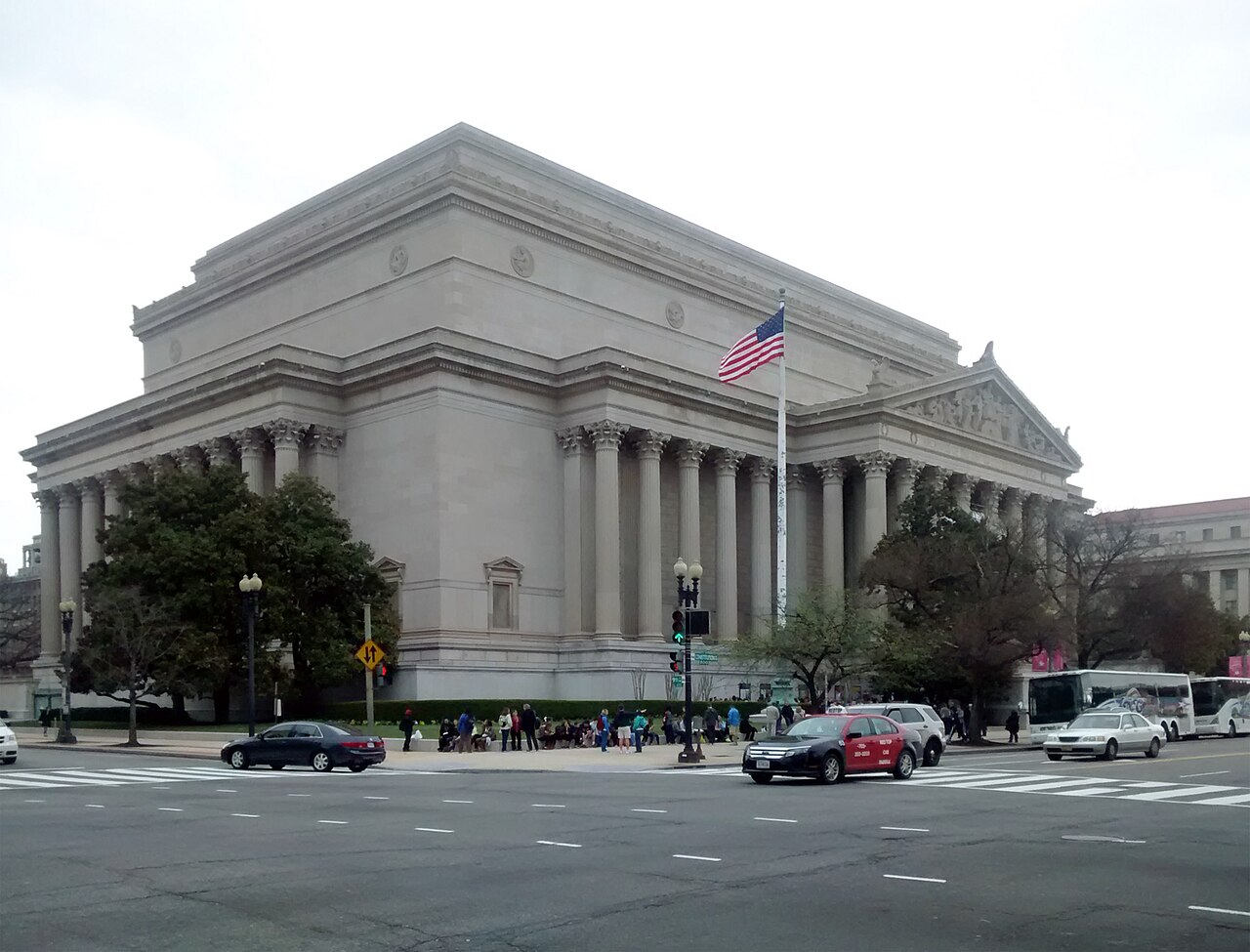
In January 2025, President Trump signed an executive order directing the release of the remaining records. On 18 March 2025, the National Archives posted about 2,200 files, more than 63,000 pages, many with long-standing redactions removed.
Historians welcomed the material, but most agreed it contained no bombshell about the killing itself. Kennedy scholars said they had seen nothing that contradicted the conclusion that Lee Harvey Oswald, a 24-year-old former Marine, acted alone. One newly visible CIA memo from 1991 described a KGB official's review of Oswald's file, which concluded that he had never been an agent controlled by the Soviet secret police, and noted that he had been a poor shot during target practice while living in the USSR.
What do the JFK files reveal?
Where the documents are valuable is in what they show about the Cold War. Researchers say they shed new light on Kennedy's distrust of the CIA, the agency's plots against Cuban leader Fidel Castro, the surveillance of Oswald in Mexico City weeks before the assassination, and the CIA's covert operations around the time of the Bay of Pigs invasion. One researcher, Jefferson Morley of the Mary Ferrell Foundation, called the release "an encouraging start", while warning that many promised records, including hundreds of IRS files and newly discovered FBI files, were still missing.
A privacy mistake
The rushed 2025 release also caused a problem nobody expected: the files included the Social Security numbers and other personal details of more than 200 people, including former congressional staff who had worked on assassination inquiries in the 1970s, some of whom are still alive. The government said it would help those affected get new numbers and offered credit monitoring in the meantime.
Why the theories survive
Polls have long shown that most Americans do not believe Oswald acted alone, and no release of documents has changed that. Part of the reason is the decades of secrecy itself: when records stay hidden for 60 years, many people assume they must contain something important. Historians say the lesson of the files is less dramatic but more useful: they show just how much the intelligence agencies of the 1960s operated in the dark, and why openness matters.
Sources
- NPR: Last of the classified JFK assassination files released (March 2025)
- Fortune / AP: What the JFK assassination records reveal (March 2025)
- ABC News / AP: JFK records reveal past CIA secrets, but also some personal data (March 2025)
- Good Morning America: Released JFK files reveal Social Security numbers of former staffers (March 2025)
- Axios: Trump releases JFK assassination files (March 2025)







Leave a reply