In June 2017, Takata, once one of the world's biggest makers of car safety equipment, filed for bankruptcy in Japan and the United States. Its airbags had been found to explode with too much force, firing metal fragments at drivers and passengers. The recall that followed became the largest in American motoring history. Nine years on, the danger has not gone away, and some owners are still being told to stop driving their cars immediately.
What went wrong
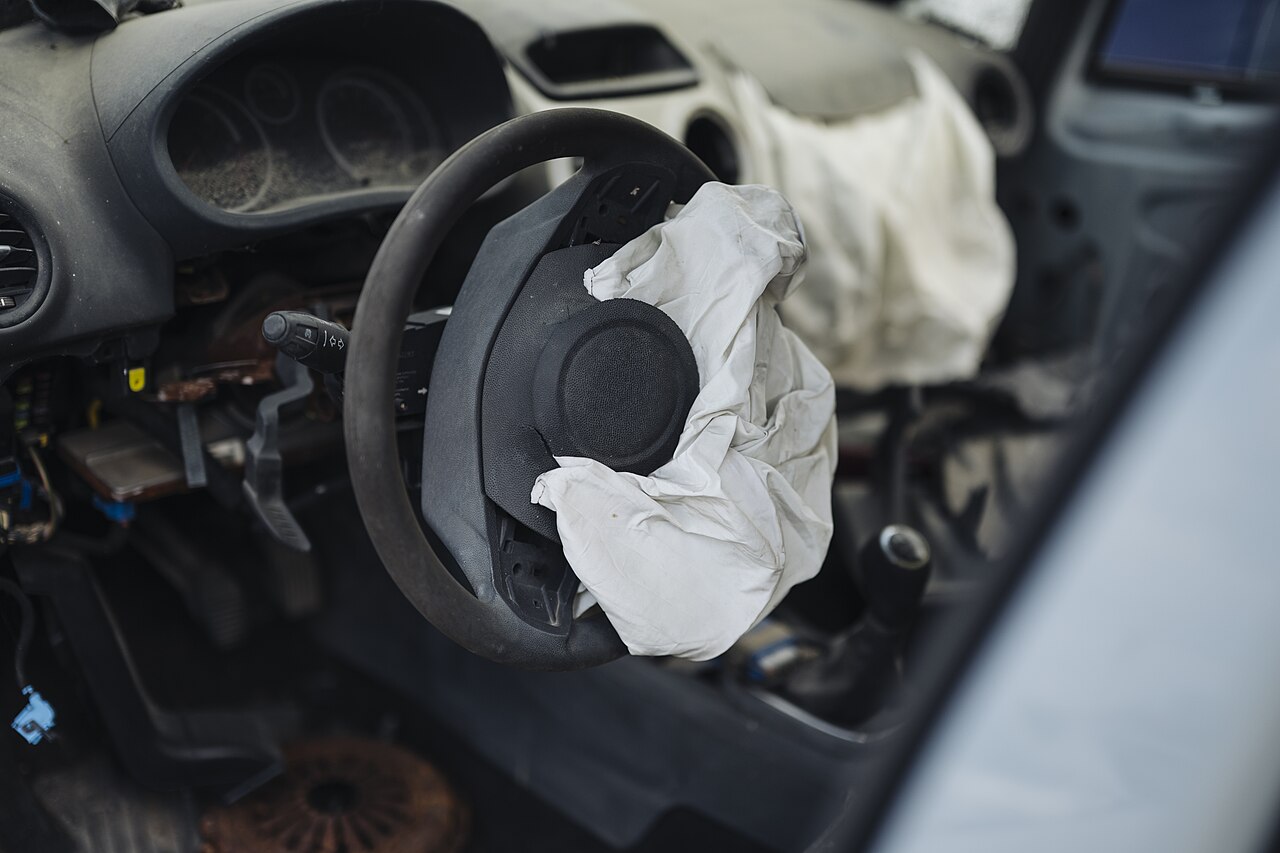
An airbag works by firing a small chemical charge, called an inflator, that fills the bag with gas in a fraction of a second. Takata used a chemical propellant that could break down over time, especially after years of heat and humidity. When that happened, the inflator could burst its metal casing in a crash, sending sharp fragments into the car. Cars kept in hot, humid places, such as the southern United States or tropical territories, are at the greatest risk.
The fallout
Tens of millions of inflators were recalled in the US alone, across almost every major car brand. Takata admitted wrongdoing and paid heavy penalties in the US, and after it collapsed in 2017, most of its business was bought by the American supplier Key Safety Systems. But a recall only works if owners get the repair done, and many older cars changed hands several times without the faulty part ever being replaced.
Still dangerous in 2026
US safety regulators have now linked at least 28 deaths in the United States to exploding Takata airbags, and at least 400 injuries. In February 2026, Stellantis told owners of around 225,000 unrepaired Chrysler, Dodge, Jeep and Ram vehicles to stop driving them immediately. Honda, Nissan, Ford, Toyota, BMW and Mazda have issued similar warnings for some older models.
Europe has faced the same problem. In June 2025, after a woman was killed in Reims when the airbag in her 2014 Citroën C3 exploded, Stellantis told owners of around 441,000 older Citroën C3 and DS3 cars across Europe to stop driving them until they were repaired. France has linked at least 18 deaths to Takata airbags, most of them in its hot overseas territories, and the French government has ordered millions of cars off the road until they are fixed. In the UK, Stellantis issued a "stop drive" notice for affected C3 and DS 3 models as a precaution, though no incidents had been reported here.
How do I check if my car has a Takata airbag?
- In the UK, use the government's free vehicle recall checker on GOV.UK, or the manufacturer's own recall page, by entering your registration or vehicle identification number (VIN).
- In the US, enter your VIN on NHTSA's free recall lookup at NHTSA.gov.
- If your car is affected, the repair is free. Many manufacturers will also tow the car, send a mobile mechanic or provide a courtesy car if you have been told not to drive it.
- If you are buying a used car, check its recall history before you buy, because outstanding recalls do not always show up otherwise.
Nine years on
Takata's bankruptcy closed the company, but not the problem. Because the faulty airbags become more dangerous with age, the risk from unrepaired cars is in some ways greater now than it was in 2017. A two-minute online check is still the simplest way to make sure yours is not one of them.
Sources
- NHTSA: Urgent warning on Takata air bags after another fatality
- Michigan Public / AP: New Stellantis "do not drive" recall makes clear Takata air bags are still a danger (February 2026)
- Which?: Stellantis issues rare stop-drive recall for UK drivers (June 2025)
- Brussels Times: Citroën calls for grounding of all C3 and DS3 vehicles fitted with Takata airbags (June 2025)
- Connexion: More Citroën cars in France issued with stop-drive orders after driver death (2025)
- Carscoops: Stellantis wants these models removed from European roads (June 2025)













Leave a reply