The pilot slumps over the controls. A voice crackles over the radio. A terrified passenger takes the controls and, with a little help from the ground, brings the plane down safely. It is the plot of countless films. Most people assume it could never really happen. In fact, it has, and technology is now making it much less likely that anyone will ever have to try.
A big jet: almost certainly not alone
If you are imagining a passenger landing a full airliner with no training, pilots are generally sceptical. Large passenger jets are complex machines, and landing one safely takes a great deal of skill and training. The good news is that it is extremely unlikely ever to be necessary: airliners always carry at least two qualified pilots, so if one becomes ill, the other takes over. Modern airliners can also fly an automatic approach and landing at suitably equipped airports, although that still needs a trained pilot to set it up.
A small plane: it has been done
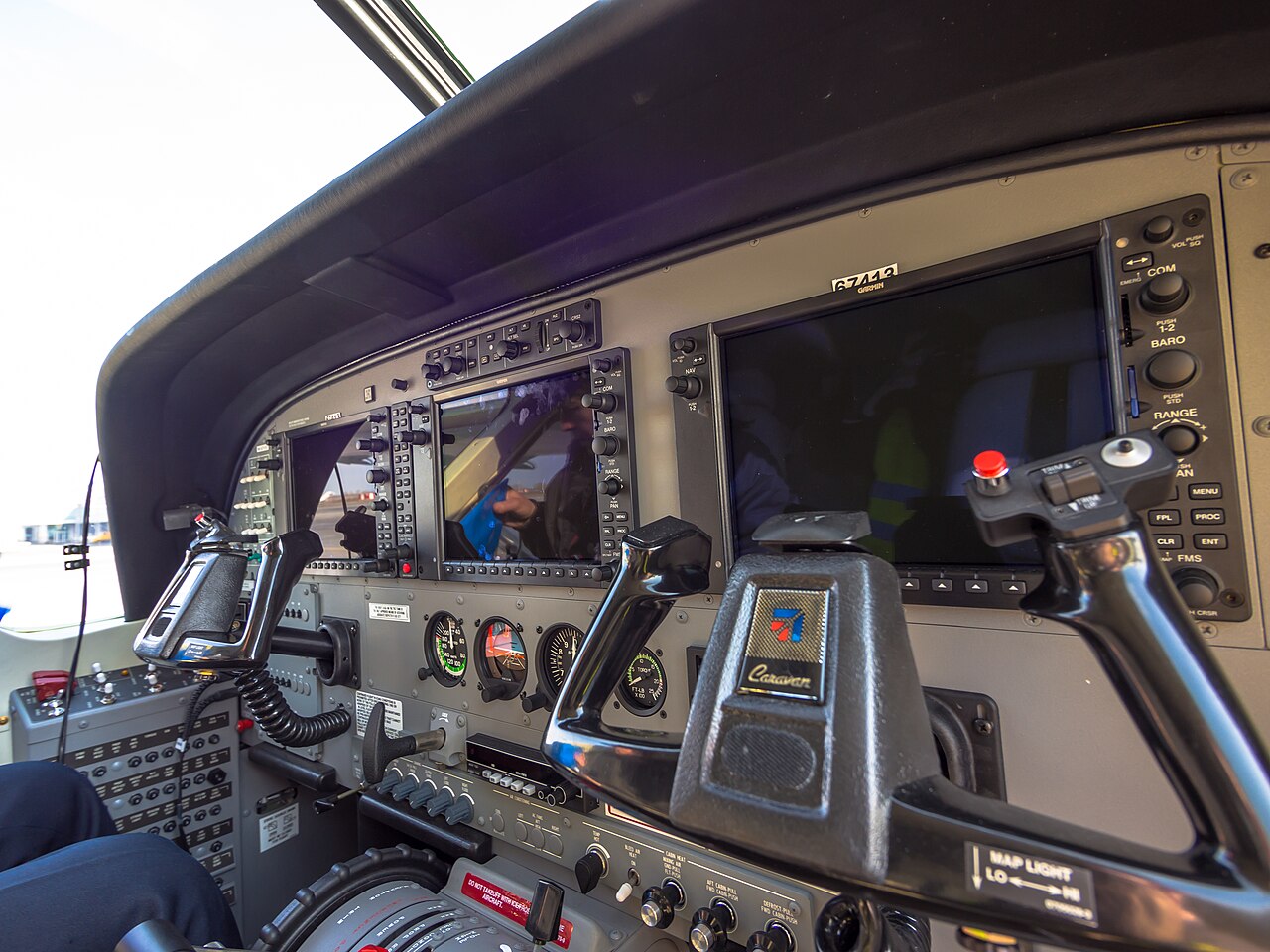
Small private planes often have only one pilot, and that is where real-life emergencies have happened. The most famous recent example came on 10 May 2022. The pilot of a single-engine Cessna Caravan flying from the Bahamas to Florida became incapacitated, and one of the passengers, who had no flying experience, took the controls and radioed for help.
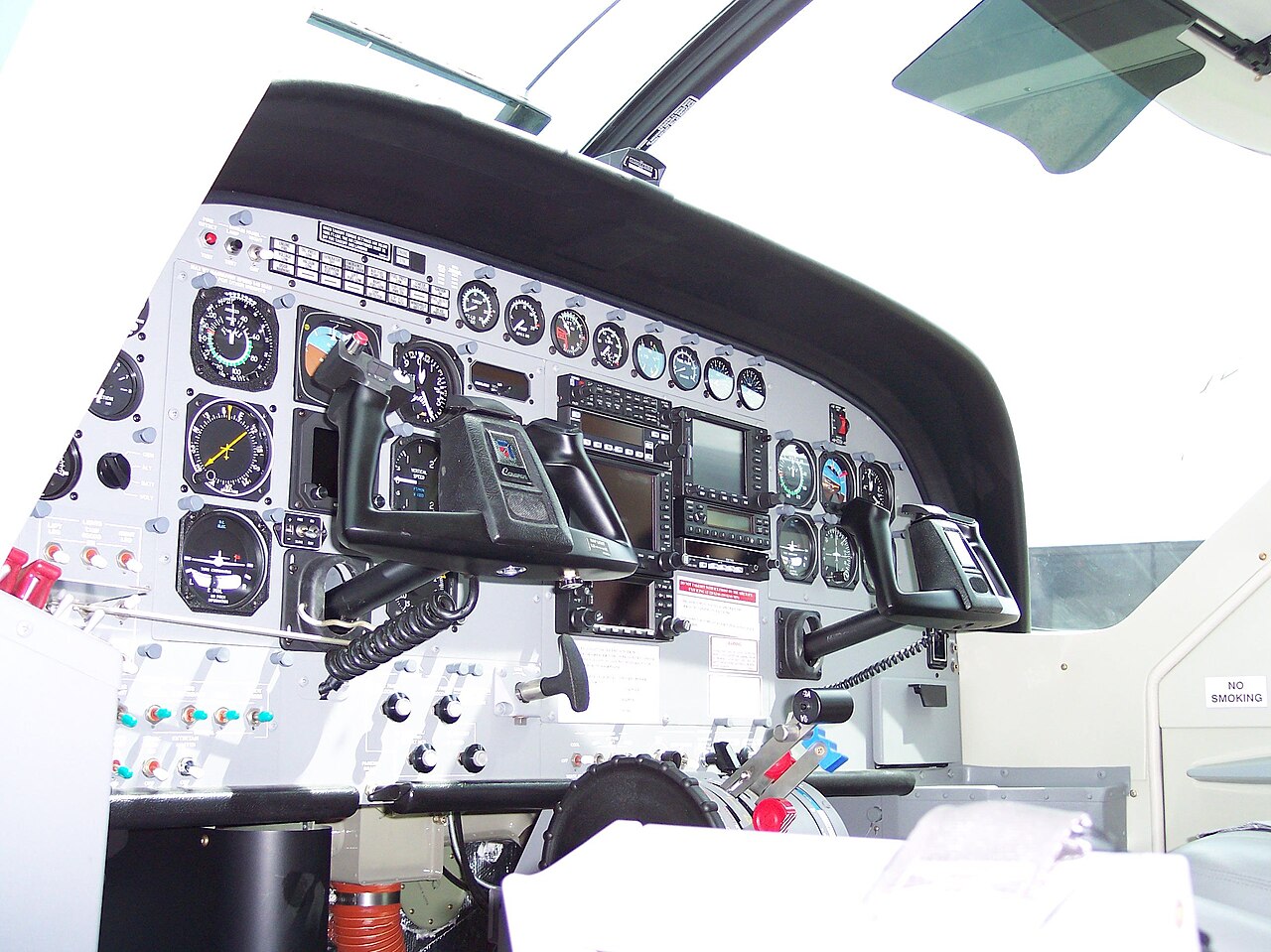
Air traffic controllers found the plane off the coast near Boca Raton. A controller named Robert Morgan, who also happened to be a flight instructor, was called back from his break. Using a printed picture of the cockpit, he talked the passenger step by step through flying towards Palm Beach International Airport and landing. The passenger brought the plane down safely, and the story made headlines around the world.
What would you need to do?
Pilots who discuss these situations usually stress a few basics:
- Keep the plane flying. If the autopilot is on, leave it on. If not, hold the controls gently and keep the wings level.
- Get on the radio. Find the push-to-talk button on the control yoke or headset and call for help. The international emergency frequency, 121.5, is monitored by air traffic control.
- Follow instructions. Controllers can find an instructor, choose a long runway and talk you through each step.
Planes that land themselves
Technology is now taking the passenger out of the equation. Garmin's Emergency Autoland system, introduced in 2019 and now fitted to more than 1,700 small aircraft, lets a passenger press a single button if the pilot is incapacitated. The plane then chooses a suitable airport, talks to air traffic control with a computer voice, flies there, lands and stops on the runway by itself.
It was used in a real emergency for the first time on 20 December 2025, when a Beechcraft King Air lost cabin pressure after leaving Aspen, Colorado, and landed itself safely at Rocky Mountain Metropolitan Airport near Denver.
The verdict
Could you land a plane? A small one, with calm help from the ground and a good deal of luck, perhaps. An airliner, almost certainly not, but you will never need to. And as self-landing technology spreads, the movie scene is becoming more fiction than ever.
Sources
- NPR: A passenger makes an emergency airplane landing in Florida (May 2022)
- AOPA: Passenger with no flying experience lands aircraft (May 2022)
- Flying: Garmin's Autoland passes first real-world test (December 2025)
- CBS News: Plane makes safe emergency landing in Colorado in first Autoland use (December 2025)
- The Register: Garmin autopilot lands small aircraft without human assistance (December 2025)












Leave a reply