Probably not, at least not like in the films. Nobody has heard a dinosaur, but studies of birds and crocodiles suggest large dinosaurs may have made deep, closed-mouth sounds such as booms, coos and rumbles, rather than open-mouthed roars.
Why can't we just listen to a fossil?
Sound is made by soft tissue, such as vocal cords and air sacs, which almost never fossilises. So scientists work backwards from dinosaurs' closest living relatives: birds, which are living dinosaurs, and crocodilians. Whatever both groups share was probably present in their common ancestor too.
The closed-mouth idea
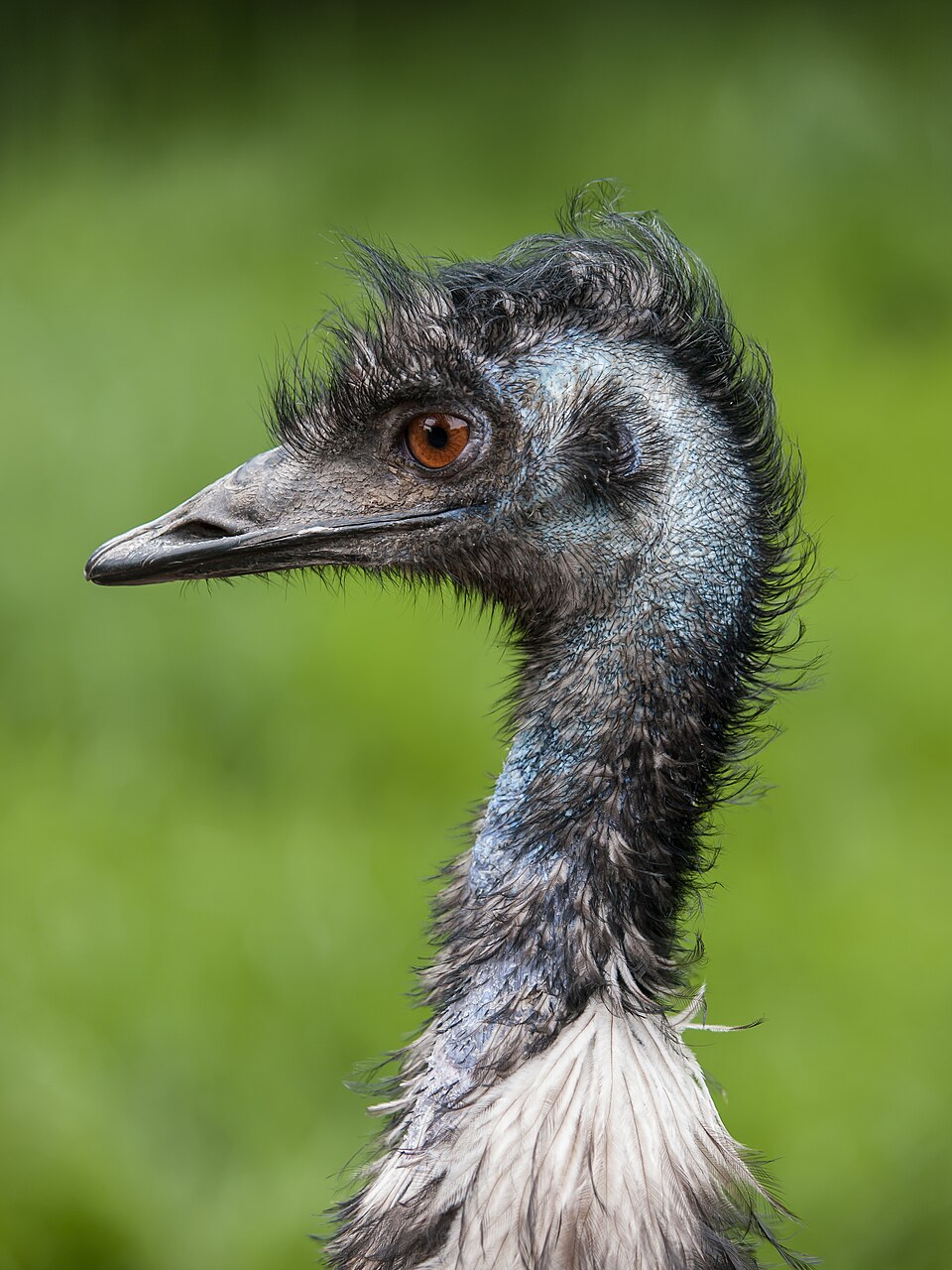
In 2016, a team led by Tobias Riede, with Julia Clarke of the University of Texas at Austin, published a study in the journal Evolution on "closed-mouth vocalisation". This is the way doves coo, emus boom and ostriches rumble: the bird keeps its beak shut and pushes air into a pouch in the throat or oesophagus, which inflates and makes a low sound.
The researchers found that this behaviour had evolved at least 16 times in birds and their relatives, and only in animals at least the size of a dove. Because many dinosaurs were far larger, the team suggested that closed-mouth sounds were plausible for them. A big theropod like T. rex might have made deep, resonant booms that you could feel as much as hear.
What fossils have added
- A bird's voice box. Also in 2016, Clarke's team described the oldest known syrinx, the voice organ of birds, in a fossil bird called Vegavis that lived in Antarctica at the end of the age of dinosaurs. No syrinx has been found in a non-bird dinosaur.
- An ankylosaur's larynx. In 2023, researchers described fossilised larynx bones from Pinacosaurus, an armoured dinosaur from Mongolia. They argued it may have been able to adjust its calls in a bird-like way. Other experts were more cautious, and the authors said it was too soon to say what it sounded like.
So where did the movie roar come from?
From sound designers, not scientists. The famous T. rex roar in Jurassic Park was created by mixing recordings of real animals, reportedly including a baby elephant, an alligator and a tiger. It is a brilliant piece of film-making, but not a reconstruction. The real sound of the dinosaurs remains a mystery, but the evidence points to something stranger and lower than a roar.
Sources
- University of Texas: Bird research suggests calling dinosaurs may have been tight-lipped (2016)
- Audubon: Hoot goes the T. rex?
- Communications Biology: An ankylosaur larynx provides insights for bird-like vocalisation in non-avian dinosaurs (2023)
- Live Science: Fossilised dinosaur voice box suggests they sounded bird-like (2023)






Leave a reply