Every so often, a story goes viral claiming that a quarter sitting in your change could be worth $35,000 or more. Such coins do exist, but they are extremely rare, and most of the "valuable" quarters people find sell for a few dollars at most. Here are the US quarters genuinely worth a closer look.
Which quarters are worth money?
The main ones are a famous 2004 Wisconsin error, the low-mintage 1932 quarters, and any quarter dated 1964 or earlier, which is made mostly of silver.
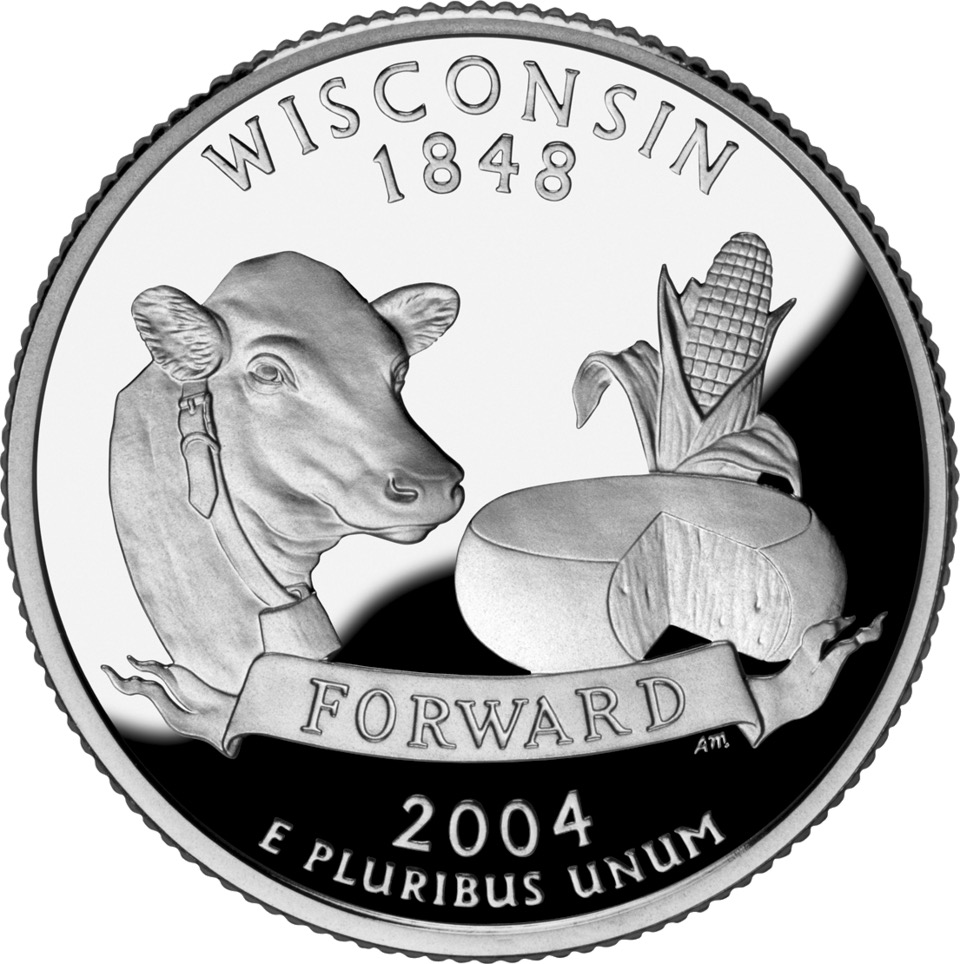
The 2004 Wisconsin "extra leaf"
Wisconsin's state quarter shows a cow, a wheel of cheese and an ear of corn. On some coins struck at the Denver Mint, which carry a small "D" on the front, the corn stalk has an extra leaf. On the "high leaf" version it curves up; on the "low leaf" version it bends down. Collectors still argue over whether this was an accident or a deliberate change by someone at the mint.
According to the coin grading company PCGS, the record prices are $6,000 for a low-leaf coin, sold in January 2020, and $2,530 for a high-leaf coin, sold in July 2006. Those were top-quality examples. Ordinary circulated coins sell for far less, typically tens to a few hundred dollars depending on condition.
The 1932-D and 1932-S
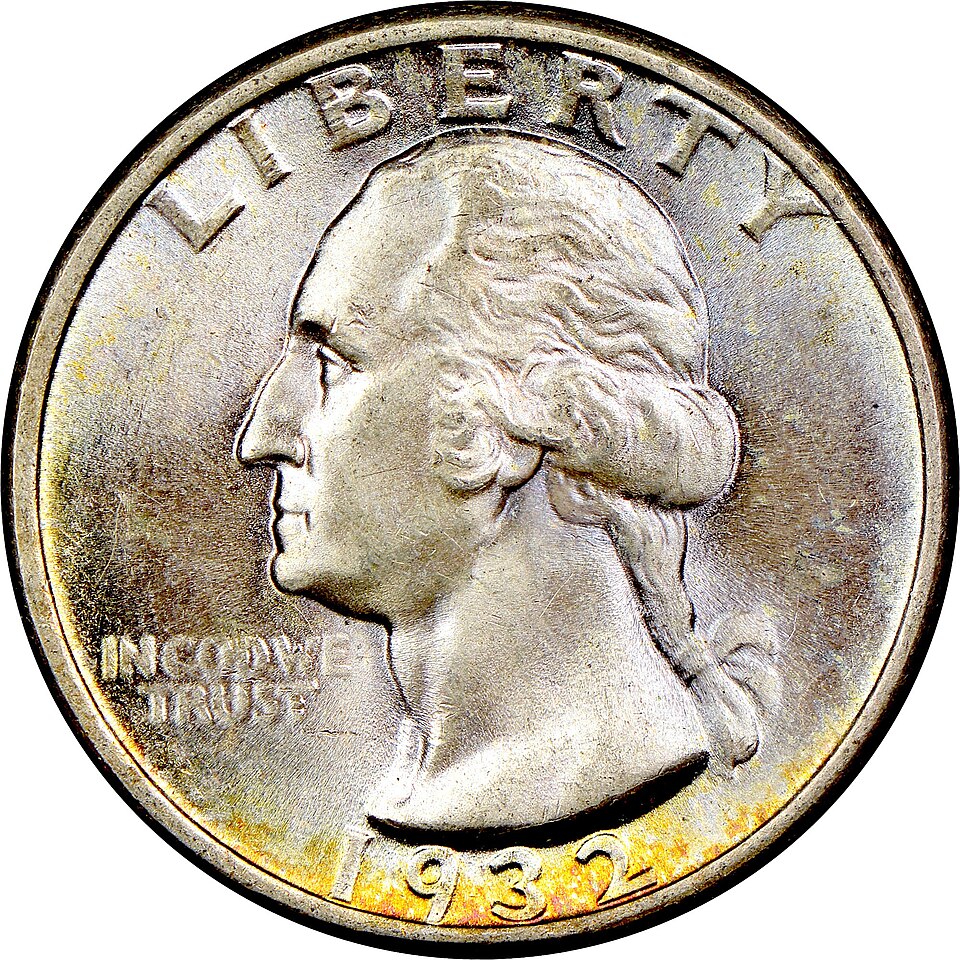
The Washington quarter first appeared in 1932. That year the Denver and San Francisco mints each struck just over 400,000, the lowest numbers in the whole series. Look for a small "D" or "S" on the back, below the eagle. Even worn examples are worth well over face value, and fine examples sell for much more. These coins are often faked by adding a mint mark to a common Philadelphia coin, so a valuable one needs checking by an expert.
Any quarter dated 1964 or earlier
Until 1964, US quarters were 90 per cent silver. From 1965 they were switched to a copper-nickel "sandwich", because rising silver prices meant people were hoarding coins. Each old silver quarter contains about 0.18 troy ounces of silver, so it is worth several dollars for its metal alone, more than many people realise. The easy check is the edge: a silver quarter has no copper stripe.
Is it real?
Before getting excited, it is worth knowing the common traps:
- Damage is not an error. Scratches, dents and coins that have been in a fire are worth face value, even if they look strange.
- Asking prices are not sale prices. Online listings often ask thousands for ordinary coins. Check completed sales and auction records instead.
- Get it graded. For anything that might be valuable, an independent grading service such as PCGS or NGC can confirm whether it is genuine and what condition it is in.
A truly valuable quarter in your pocket is unlikely, but an old silver quarter in a jar of change is quite possible, and that alone makes it worth a quick look.





Leave a reply