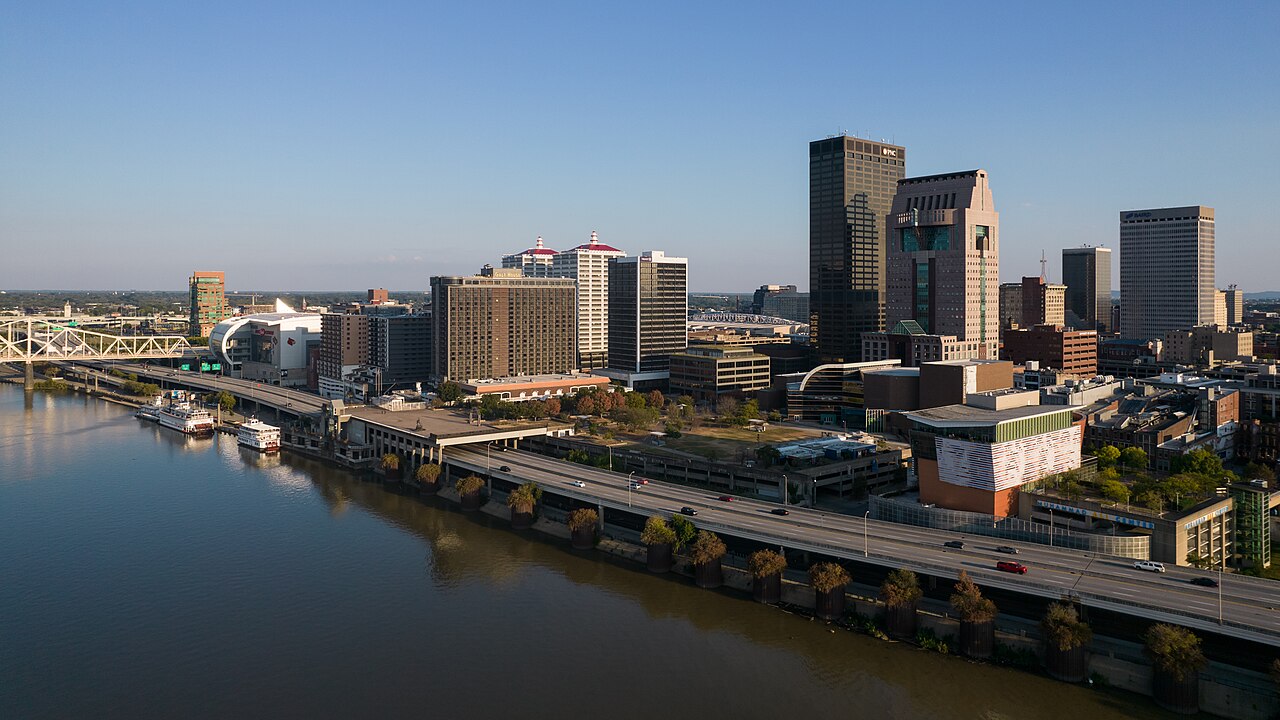
In March 2017, a report from Louisville, Kentucky, followed paramedics racing between overdose calls, as many as 50 a day for one service. Many of the people they treated had started on prescription painkillers and moved on to heroin. It was one of the worst-hit corners of America's opioid epidemic. Nine years later, the news from Kentucky is, cautiously, better.
This article discusses addiction and overdose deaths. Details of where to find support are at the end.
Things got worse first
In 2017, the crisis was already severe. It then grew deadlier as illegally made fentanyl, a synthetic opioid many times stronger than heroin, spread through the drug supply. Across the United States, overdose deaths climbed past 100,000 a year during the early 2020s. In Kentucky, 2021 was the worst year on record.
Are overdose deaths falling in Kentucky?
Yes. Deaths have fallen for four years in a row, to 1,110 in 2025.
Since then, the trend has reversed. According to Kentucky's 2025 Drug Overdose Fatality Report, 1,110 Kentucky residents died of overdoses in 2025. That is a 22.9 per cent fall on 2024, the fourth year of decline in a row, and about half the number who died in 2021. It is the lowest figure since 2014. Fentanyl was found in 45 per cent of the deaths, down from 62 per cent the year before, while methamphetamine, present in about half of them, has become just as big a concern.
The picture is similar nationally. The US Centers for Disease Control and Prevention estimates that about 70,000 people died of drug overdoses in 2025, down from about 81,000 in 2024, the third annual decline in a row.
What helped
There is no single reason for the fall, and Kentucky officials point to a long list of measures it has expanded:
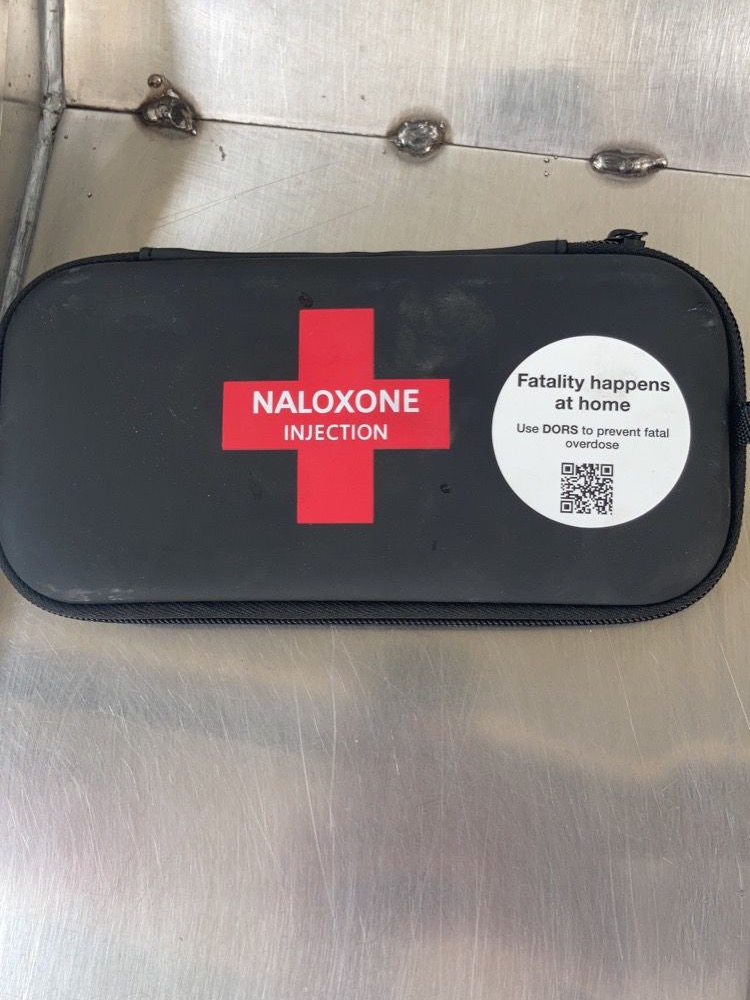
- Naloxone: more than 182,000 doses of Narcan, the overdose-reversal nasal spray, were handed out in 2025. In 2023, the US also approved Narcan for sale without a prescription.
- Treatment: more than 137,000 Kentuckians received addiction treatment through Medicaid, and tens of thousands more were helped by state-funded treatment and recovery programmes.
- Harm reduction: 82 syringe exchange sites served more than 25,000 people.
- Settlement money: Kentucky, like other states, is receiving hundreds of millions of dollars from settlements with opioid makers and distributors, which officials say must go to treatment and the communities hit hardest.
"Kentuckians did not just accept this fate; we got up and we fought back," said Van Ingram, who leads the state's Office of Drug Control Policy.
Still a crisis
The progress is real, but more than a thousand Kentuckians still died in a single year, and new substances keep appearing in the drug supply. Kentucky has moved to control two of them, the potent opioid-like compound 7-OH and the sedative bromazolam. For the paramedics who were answering dozens of calls a day in 2017, the job is easier than it was, but it is far from over.
If you need support: in the US, the free, confidential SAMHSA National Helpline is open 24 hours a day on 1-800-662-4357, and in Kentucky you can also call KY Help on 833-859-4357. In the UK, FRANK offers free drugs advice on 0300 123 6600. If someone may be overdosing, call 911 (US) or 999 (UK) immediately.
Sources
- Kentucky Office of Drug Control Policy: 2025 Drug Overdose Fatality Report
- Office of the Governor of Kentucky: Fourth consecutive year of decline in overdose deaths (2026)
- Spectrum News: Kentucky overdose deaths decline (April 2026)
- CDC National Center for Health Statistics: US overdose deaths decrease for third consecutive year in 2025












Leave a reply