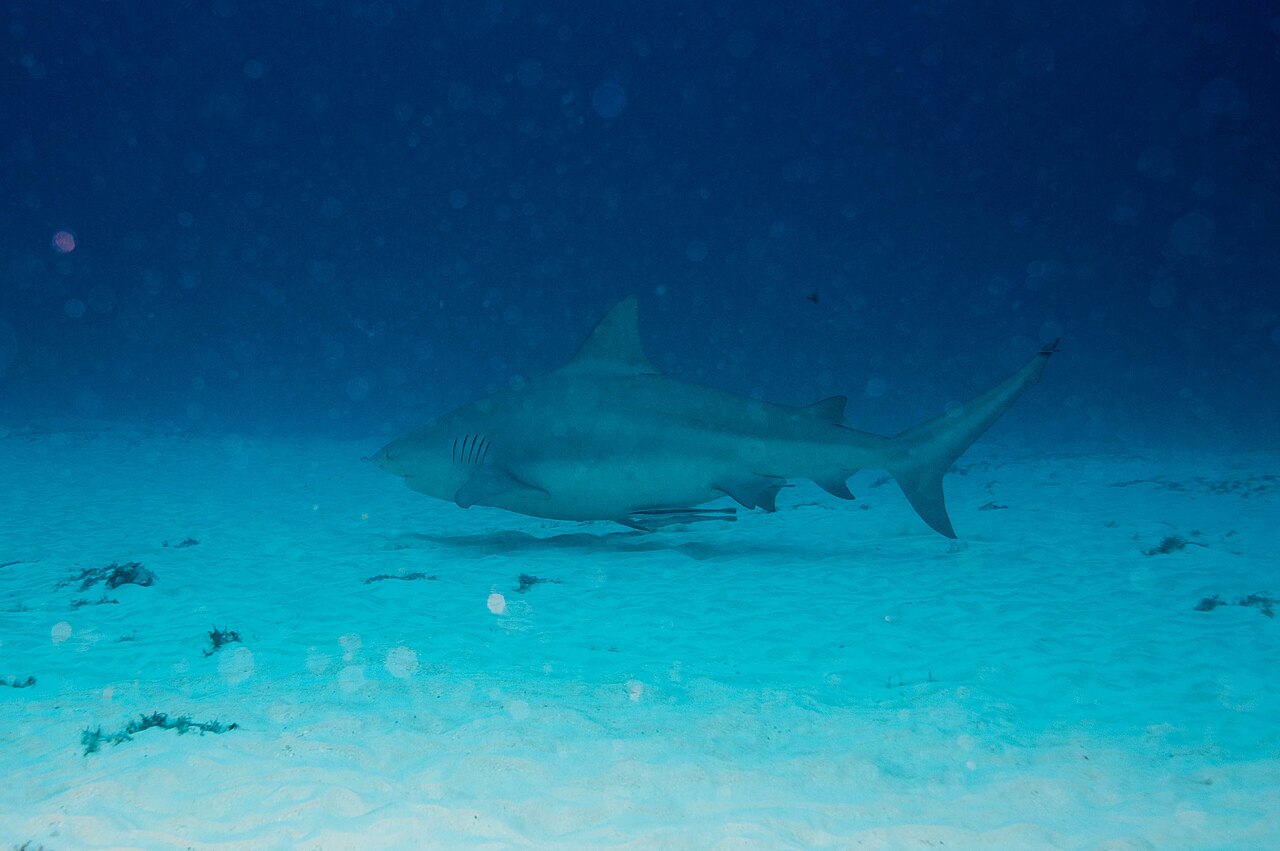
In March 2017, after Cyclone Debbie hit Queensland, a dead bull shark was found on a flooded road near the town of Ayr. Bull sharks can live in fresh and salt water and often swim up rivers, so floods can carry them inland. The bigger danger was the flooding itself, which caused most of the storm's deaths.
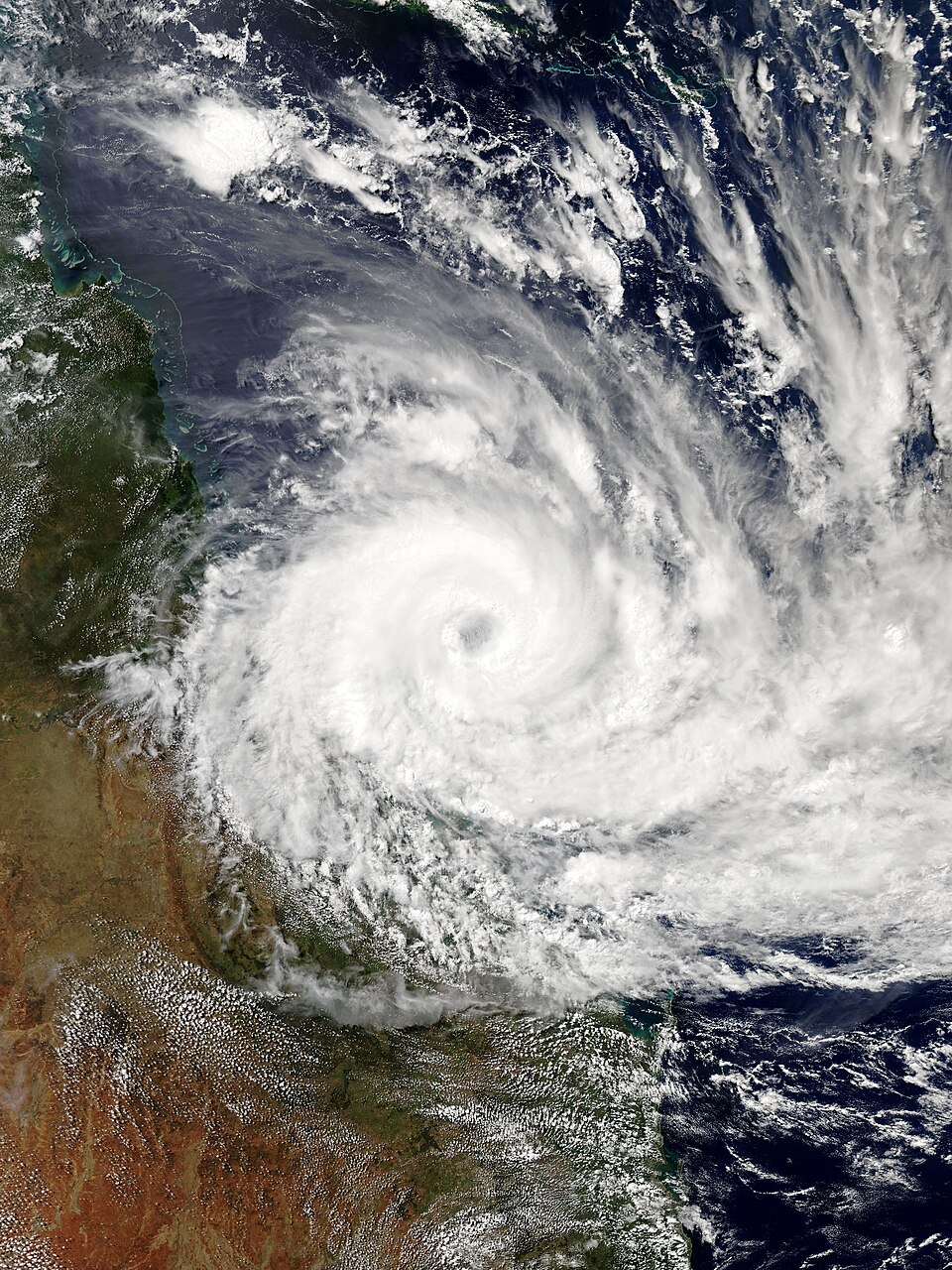
Cyclone Debbie
Debbie strengthened to Category 4 over the Coral Sea and crossed the Queensland coast near Airlie Beach on 28 March 2017. Its winds battered the Whitsunday Islands, including the resort islands of Hamilton and Daydream, and the towns of Airlie Beach and Proserpine. As the system moved south and inland, it dumped huge amounts of rain, causing major floods in Queensland and northern New South Wales. The Fitzroy River at Rockhampton peaked at 8.9 metres in early April.
Most of the deaths linked to Debbie, counted at between 10 and 14 depending on the source, were caused by flooding rather than wind. The damage ran to billions of Australian dollars, making it one of the costliest cyclones in Australian history.
Why was there a shark on the road?
Queensland Fire and Emergency Services shared a photograph of the stranded shark near Ayr, south of Townsville, with a blunt warning to stay out of floodwater. Bull sharks are unusual among sharks: they can survive in fresh water, and they regularly swim far up tropical and subtropical rivers. In Australia they are found in rivers and estuaries, and when rivers burst their banks, floods can sweep them onto land.
Why is floodwater so dangerous?
The shark made headlines, but the water is the real threat. According to the US National Weather Service, about 15 centimetres of fast-moving water can knock an adult off their feet, and about 30 centimetres can float many cars. Floodwater can hide open drains, debris and washed-away roads, and is often polluted with sewage and chemicals. Queensland's long-running safety message is simple: "If it's flooded, forget it." Never drive, walk or swim through floodwater.









Leave a reply