A few years ago, a story went viral claiming that Finland had found a way to dramatically reduce bullying in its schools. The programme behind it is called KiVa, and it is real. It was developed by researchers at the University of Turku and has been tested in large trials in several countries. Its central idea is simple: to stop bullying, focus on the bystanders.
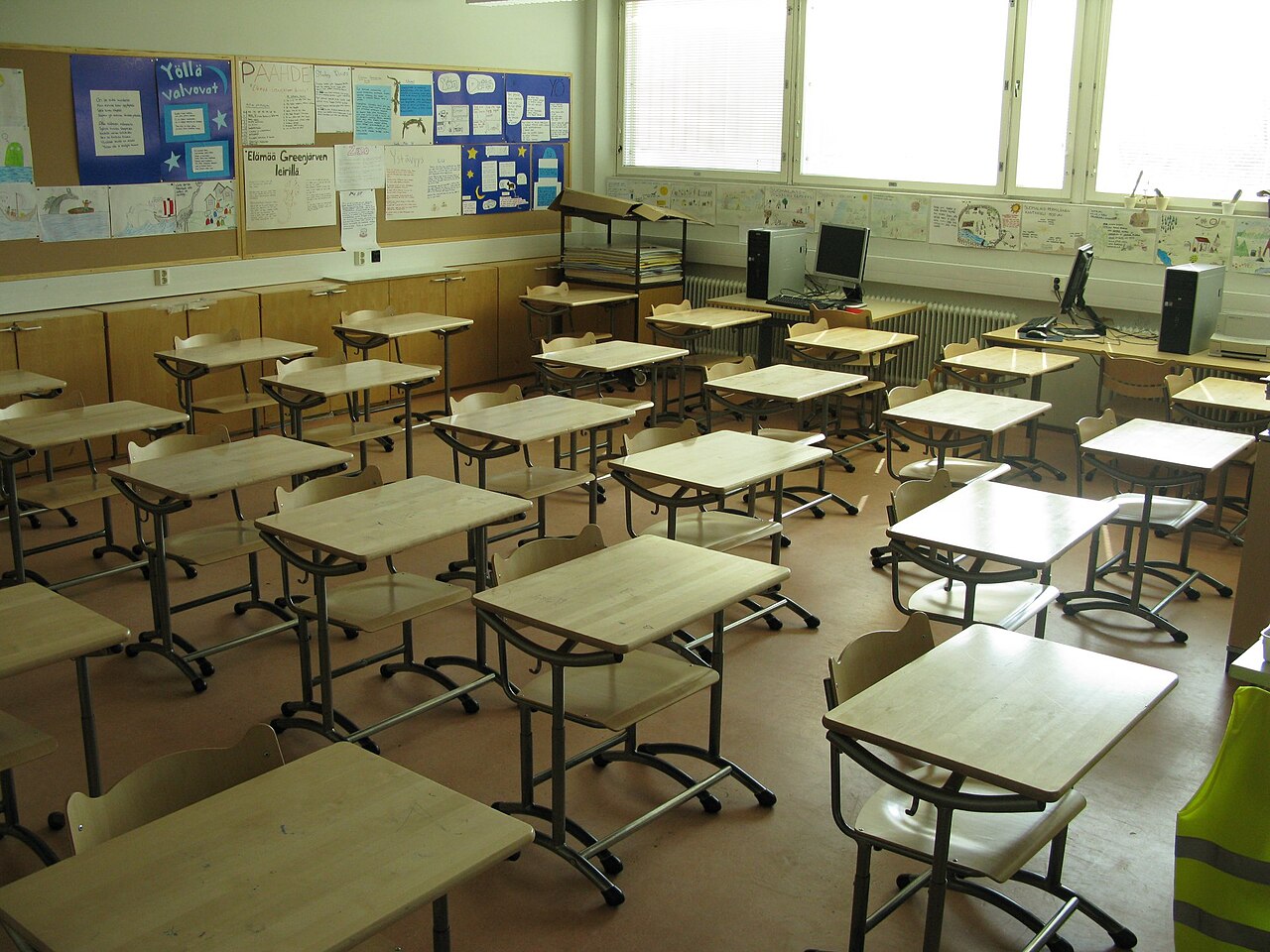
The idea: change the audience
KiVa, short for the Finnish Kiusaamista Vastaan, "against bullying", grew out of research by psychologist Christina Salmivalli and her colleagues. Their work suggested that bullying is often about status: children who bully are seeking power and attention from their peers. When classmates laugh along, or simply stay silent, they reward that behaviour, even if they do not like it.
So instead of focusing only on the children who bully, KiVa tries to change how the whole group responds. Its aim is for bystanders to support the children being targeted rather than encourage the bully, making bullying less socially rewarding.
How it works in school
KiVa combines two kinds of action:
- Prevention for everyone. Classes have regular lessons and activities about respect, empathy and how to help a classmate who is being picked on, along with online games and materials. Teachers supervising breaks wear high-visibility vests, as a reminder that adults are watching and available.
- Action when bullying happens. When a case comes to light, a trained school team holds structured discussions with the children involved, and with classmates who can be enlisted to support the victim, followed by check-ins to make sure it has stopped.
Does it work?
KiVa is one of the most thoroughly studied anti-bullying programmes in the world, and the results have been encouraging but not miraculous.
- Finland: evaluations reported a reduction in bullying of around 30 per cent, and the programme's developers say Finnish schools that keep using it see improvements year after year.
- Other countries: studies in the Netherlands and Italy also reported substantial reductions, although the figures vary between studies.
- The UK: a large trial in more than 100 primary schools in England and Wales, with over 11,000 pupils, found a 13 per cent reduction in children reporting being bullied. The researchers called the effect small to moderate but important for public health. The trial ran during the disruption of the Covid pandemic, which may have weakened the results.
The programme is now used in more than 25 countries outside Finland.
The verdict
The viral claim that Finland "halved" bullying was an exaggeration, but KiVa is a genuine success story. Its biggest lesson may be one any parent or teacher can use: bullying is a group problem, and children who stand up for each other can make a real difference.
If you need support: in the UK, children and young people can talk to Childline free on 0800 1111, and parents can find advice from the Anti-Bullying Alliance and Kidscape. In the US, StopBullying.gov has guidance for families and schools.
Sources
- University of Turku: Large UK trial indicates KiVa effectively reduces bullying
- Psychological Medicine: The effects and costs of KiVa in UK primary schools, a randomised controlled trial
- NIHR ARC South West Peninsula: KiVa trial findings
- European Union Drugs Agency Xchange: KiVa anti-bullying programme
- Prevention Science: KiVa in Wales, a randomised controlled trial (2020)









Leave a reply