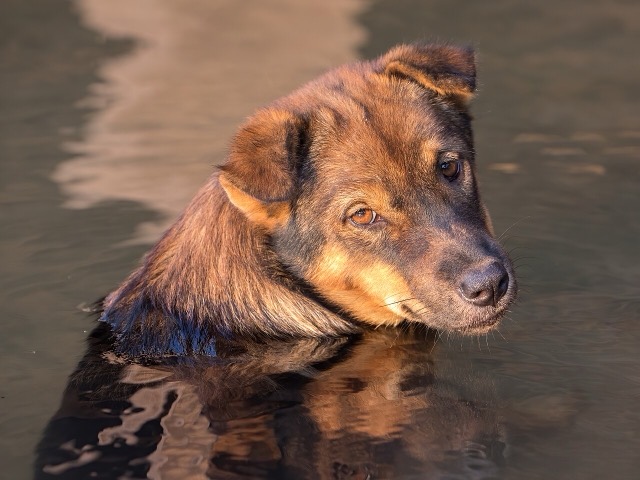
Any dog owner knows what the “guilty look” is. This is probably because, when you have a mischievous pet, you end up seeing the guilty look multiple times a day. I know I have. That’s because I’m the proud human that has to clean up after my Schnauzer Mac’s multiple messes 24/7, and it’s because of that same sheepish look that the loveable rogue gets away with his various misdeeds every time.
I know he employs it as a get-out-of-jail-free card, but I just can’t help myself. When I see it my heart melts like a blob of ice cream on a hot skillet.

It doesn’t matter what the crime of the day is, sooner or later he’ll use the look to wriggle out of serious punishment. Maybe he’s scratched at the sofa, maybe he’s barking at a woman with a pram, maybe he wants a third dinner and won’t leave me alone until he gets it – the specifics don’t matter. All that matters is that the dog escapes a stern reprimand.
But do our misbehaving mutts really know what they’re doing? Is the guilty look really a cunning tactic? Or is it simply an involuntary reaction? Are we simply anthropomorphising our canines, projecting our own feelings onto them, when in actual fact they couldn’t give a stuff whether they’ve been good or bad? Well, the real answer might just surprise you. A group of egghead animal behaviourists have managed to determine what the sad puppy dog pout really means.



Leave a reply